
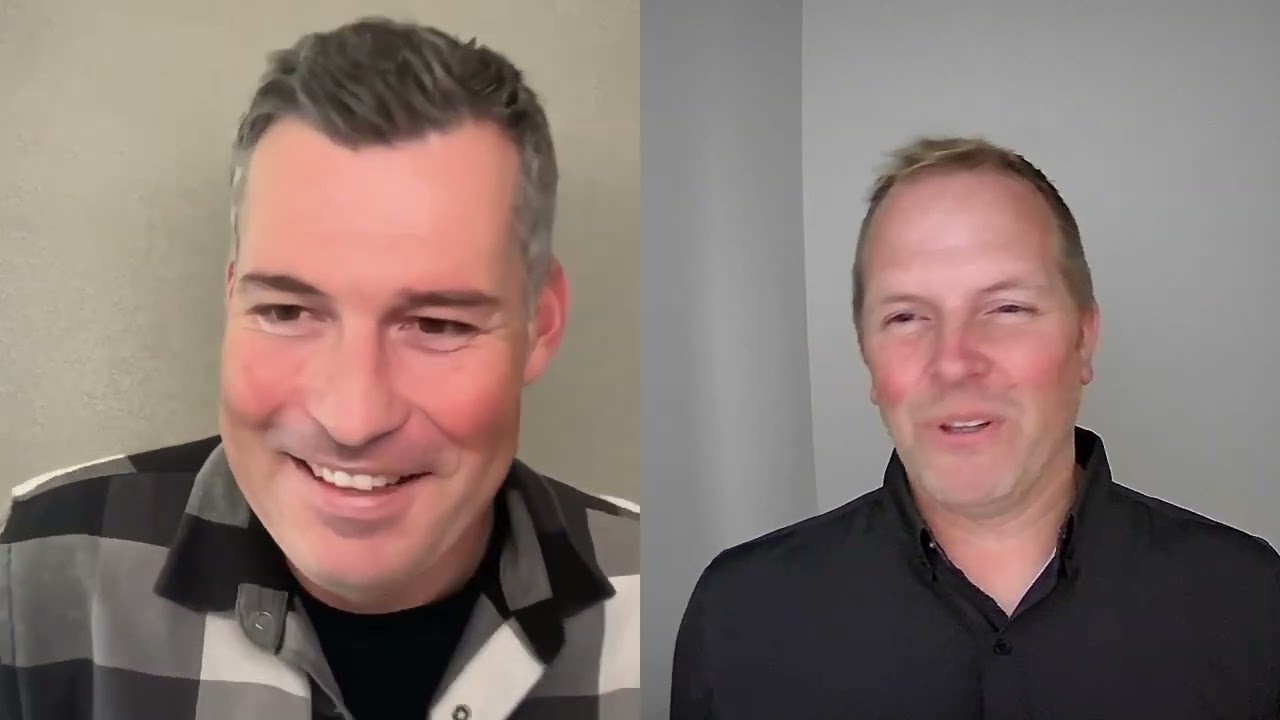
Business Rhythms
The meeting cadences that move a business forward, daily huddles, weekly check-ins, monthly financial reviews, quarterly OKR sessions, and the annual offsite, and how to connect them so issues from daily standups get solved at the right level.
About this episode
Josh and Lyndon walk through the meeting cadences that actually move a business forward, daily huddles, weekly check-ins, monthly financial reviews, quarterly planning workshops, and the annual offsite. The framing they use: shorter rhythms are tactical and operational (keeping the finger on the pulse, removing obstacles), while longer rhythms are strategic and visionary (setting direction, calibrating against the market). The trick is making sure they connect, so issues raised in a daily standup escalate properly into weekly and monthly forums where they can actually be solved.
They get specific about what each rhythm is for: daily huddles surface bottlenecks and what people need help with; weekly meetings track KPIs and project status (Josh mentions monitoring an AP inbox queue as a workload canary, and weekly bank reconciliations for cash flow visibility); monthly reviews go through P&L, balance sheet, cash flow forecasts, and sales pipeline; quarterly workshops set OKR-style priorities and revisit training; the annual offsite is for SWOT, PESTEL, vision and budget. Josh's Google Maps for business analogy frames why monthly check-ins matter, you need to see if you're still heading toward the destination. Lyndon's emphasis throughout: every meeting needs a clear agenda, action items, accountability in the next session, and the flexibility to adjust cadence if it's too frequent.
For owners trying to figure out what meetings actually need to be in the calendar, and how to keep them from becoming meetings-for-meetings'-sake, this episode is a usable template.
Chapters
- 00:00:00 Intro: strategic vs tactical rhythms
- 00:02:00 Daily huddles: progress, focus, removing obstacles
- 00:05:38 Weekly cadence: KPIs, bank recs, AR follow-up, expense claims
- 00:11:57 When weekly is too much: adjusting cadence to fit the team
- 00:14:42 Meeting hygiene: agendas, action items, accountability
- 00:19:46 The cost of a meeting and the lunch-and-learn slot
- 00:23:00 Monthly: financials, cash flow forecasting, sales pipeline
- 00:29:11 Quarterly: OKRs, big rocks, training, themed planning
- 00:33:59 Annual offsite: SWOT, PESTEL, vision, budgets, facilitator
- 00:41:01 Benefits recap and tactical vs strategic takeaway
Tap any chapter to jump to that moment on YouTube.
Key moments
“One degree Corrections right so that you're not finding yourself in like a month or two months totally off course.”
“The way we often describe what we do is kind of like Google Maps for business it's where you start to look at are we heading towards the destination that we're planning to go to.”
“You want to make sure that each of these meetings have a clear set agenda and objectives.”
“This meeting is costing the company say 600 bucks to do so what kind of value is coming out of this meeting.”
“Your team can figure it out you know they can do without you for a day or two or three.”
Your hosts

Joshua Leyenhorst
Founder of BasePoint CPA. Chartered Professional Accountant (CPA) and Certified Exit Planning Advisor (CEPA), helping business owners see the full picture of their numbers.
More About BasePoint CPA →
Lyndon Smith
Founder of Expansive EDGE. Two decades in projects and design across six continents, focused on operational leadership and continuous improvement for small and medium-sized businesses.
More About Expansive EDGE →
Full Transcript
Show transcript
Hide transcript
Auto-generated from the YouTube captions for this episode. Click any timestamp to jump to that moment in the video.
00:00 welcome to the business growth factor where we have conversations about building better businesses my name is Josh lonh horse and I'm here with lynon Smith and what are we talking about today Lyndon hey Josh so we're we're gonna be chatting about business rhythms and um what we mean by business rhythms is um just kind of that that that Cadence that you have in the different areas of your business so those daily weekly monthly quarterly um and annual rhythms and um how that ties into operations finance and all the different facets of your
00:34 business that sounds awesome I guess maybe one of the questions that this would help satisfy or like what are some of the things that I should be doing in my business over the course of the the month or a quarter or a year uh to move my business forward because a lot of people get into business because they're good at what they do right they're good at their Craft um but then they find themselves kind of bumping into a situation as their business scales and grows um you know where they need help actually running their business and so this is like getting into some of those specific rhythms uh that may be helpful for
01:05 that yeah so um absolutely so I think if you if we had to sort of break it into sort of or create some context around it the longer terms or the longer you know those rhythms are like the annual um you know that annual meetings that you you set up or those uh sessions that you set up annually those are more like you know pulling on those strategic and Visionary uh goal setting levers whereas the you know daily and weekly kind of rhythms that you set up in your business are more tactical operational and um you know just uh
01:38 keeping the finger on the pulse and keeping the the system running right okay so we're talking like strategic and tactical type rhythms today yeah and and and we'll bounce around between you know like I said before the the different sort of facets of of business so you know operational Financial you know what what uh what those rhythms could look like so um I think I'll just kick it off by you know starting with a the daily Rhythm so like a daily a daily huddle with your team you know so what's the purpose around that um and and what is what what
02:11 does that actually mean so I mean if you're having a daily Rhythm it's it's kind of you know more at a management level with your team like I mentioned and uh you know it's just getting a keeping the finger on the pulse and just checking you know getting some progress updates taking a look at what's the focus for today um and effectively understanding what obstacles or bottlenecks are getting in the way because you as a manager or a leader in your business are are are responsible for removing those obstacles for your team and empowering them to be successful and um you know move forward
02:45 allowing them to move forward intentionally so that's kind of like looking at a daily Rhythm you know in operations context it's um maybe like a a project manager I think you know maybe uh um creating or or coming off the the back end of the the pandemic where we got a lot more people working remotely um you know those daily huddles where you doing that remote check-in to say hey um you know what did you manage to get done yesterday what's on the on the agenda for today you and what can I help you with what uh what can I you know where
03:17 can I support you um as you're as you're progressing and and and moving through your job essentially yeah it sounds that sounds good like we remember um one place where I used to work work we would do that with our team as well so we' have like a little daily standup um huddle be like 15 minutes like no longer than that and usually you know what are some of the priorities for the day right something was big yesterday that you had to get done how did that go yeah um one thing I I felt was helpful as well and this this also moves into like monthly but I don't
03:48 want to jump right into that yet but um one of our questions also was like is there anything that's bugging you or where you're stuck right and uh I mean as a manager you just have to be prepared if you're going to be asking that question you may need to be able to address those issues right so if you ask a question is there something that you're stuck on or something that's bugging you I feel like oh yeah this this system that we're dealing with keeps doing this right if you're not going to be able to have the capacity to address that then it almost comes across it seeing like seeming like it's more of formality discussion rather than a a
04:21 purposeful discussion where you're actually trying to help your team um do what it is that they need to do well I think you know and and this and this is is a great uh great point you know so these are these are the things that you can then push into the more um you like your weekly rhythms or your monthly rhythms where you know it's it's activities that are actually going to take or challenges that are actually going to take a little bit longer than a day to address right so we're tabling this to say you know there's a problem with the system here um let's bring this up in our weekly management meeting or
04:54 our monthly um you know meetings that we're having so so that you know at a higher level we're pushing those rhythms up to a higher level in the organization so that they have the opportunity to address those challenges um and if it's like a systems challenge like I said it's not something that that that can necessarily get addressed immediately um but it it it may need a little bit more consideration a little bit more planning a little bit more strategy around you know addressing that particular challenge that you that you mentioned yeah that's a good point for
05:27 sure and I guess in having those meetings at least helps identify that those are issues and then they can work their way up the the chain to actually be addressed yeah and then um so I I think just you know just keeping the the the momentum here um so we've we've spoken a little bit about the the daily rhythms and then the next part that we that we obviously going to go to is the weekly Rhythm so um you this is more you're still keeping the finger on the pulse but we're taking a look at like weekly objectives how we track in with certain projects um you know taking a
05:59 look at kpis you know this is where we're kind of linking you the performance of our team of our employees um you know and and and you tying it into kpi so we're not looking at it like after three months and being like Oh our team are failing or we're not performing you're kind of still keeping the finger on the pulse with everything that's happening as a manager as a leader in the company not necessarily at an executive level all although um you know as an executive you're still keeping track of everything that's going on in the organization right yeah I guess it's sort of like if
06:32 you're um you got your hands on like the big steering wheel of a massive ship right just constantly kind of re readjusting it to line to where it is that you're trying to uh get to right sort of these uh you know one way we used to talk about with one of the teams I was on is just one degree Corrections right so that you're not finding yourself in like a month or two months totally off course you're like okay let's let's swing it back in let's swing it back in yeah I I love that analogy I think it's such a great anal that that one correction so yeah I mean if you're doing that daily um you know those those
07:05 incremental changes and you just staying on top of things um and and making sure I mean we had this conversation around okrs but effectively setting proper goals that are aligned with the organization's um you know objectives then um and filtering that down through the organization to you know an operational level or you know tactical level then um you know you know that whatever you're working on is is aligned with the with the longer term objectives and we typically do those those objective setting or those goal setting um you know every three months we'll get
07:39 into that in a bit um but yeah so we we're taking a look at like weekly and I love how you've used the analogy of that one one degree correction so that you're not completely off off course um yeah and so I guess in mentioning okrs there like I guess there's probably a place here for like on the weekly side of things for looking at some kpis right like some key performance indicators I know like on the finance operations front um you know one of the teams that used to run we would look at certain metrics to get a sense of how well things were going uh even you know as far as like we had all like in our EP
08:11 Department we had all of the uh invoices flow through one particular email address so whenever we met as a team I'd be like okay well how many emails are left in this email address because it was usually an indicator of like how busy the team was getting right if all of a sudden there was like 75 sitting in there it's like okay it almost like the canary in the in the co mind right where you're like hey you guys are getting a little busy we need to try to find a way to to help out on the capacity front but if you were like kind of sitting around say 20 then you're like okay we're we're maintaining things really well and so maybe on a weekly basis if you're going
08:43 to be uh meeting with your team uh to look at various things maybe that's a good point to start introducing some key performance indicators to look at to see how you're tracking and if you can realign as needed yeah 100% I uh 100% agree with that and I think you know the other thing is um you know this is still maybe looking at it at a um oper I mean weekly very much at an operational levels so um you know how's how's the project performing you know what what are the things that we need to you like how many I'm trying to think uh of a
09:17 good example here how many sort of purchase orders have we have we placed in the last week you know um those are those are like sort of metrics that we that we can look at it all depends on the on the on the nature of the business and the the instructure of the organization but I mean you you have those metrics that you're looking at every single week to say all right we uh we we need to get a whole lot more done than what we've been doing or you we're pretty much on track you know and and we can see just by having those kpis in place um you know if we're if we're going off track or if we're on track and or ahead of schedule on a few things
09:51 right yeah I think um like from a finance perspective one of the things I found is really helpful for businesses and this may be a little bit of ambitious for some who aren't yet doing this but even doing Bank reconciliations on a weekly basis as opposed to say monthly when the statement comes in just allows for a lot more uh Hands-On and active management of cash flow as opposed to getting to the end of the month and just looking at what happened um I mean even daily if you can reconcile your bank daily you can start to start to deploy cash in a lot more uh proactive of a way but uh weekly Bank WS
10:27 is pretty key uh and then also if for companies that have accounts receivable balances like weekly is a good Cadence to get into as far as just following up on anything that's outstanding because otherwise you can find yourself three four weeks down the road being like oh man that's that invoice is still outstanding like we have to call that person and then you know that then the conversation is usually like oh you should have let me know like three weeks ago you're like yeah I know I should actually be looking at this weekly right so even just setting a slot in the calendar to be like look at your accounts receivable balances if there's anything outstanding you know just give
11:01 them a call it's a good time to do it yeah I think another example of that and and maybe a little bit off topic here is the like expense claims you know how frequently should you be submitting your expense claims um because those can pile up and then a little bit messy and and throw things off um so yeah I think just like staying on top of those expense claims uh I think a weekly Cadence on that is pretty solid um you know depending on how how your schedule looks but just blocking out some time 10 15 minutes it's just running those uh running those through and and getting them done um yeah otherwise if you're
11:35 doing them 3 months every 3 months it could piss a few people off uh you know upset a few people or uh yeah that's right the project manager are start looking at their budget be like whoa all of a sudden we have all these expenses that KY man you're like oh yeah sorry that was for the last three months yeah it's it's only $10,000 you know it's uh yeah cool and then uh I mean the next up is like U we could look at a bi-weekly Rhythm as well um I think it's you know I mean it all depends on on the business and I think you know part of the conversation
12:08 is having that flexibility and you should we doing should should we be doing this every every week or every month just being able to to have that I don't know if agility is the adaptability you know with your team to say this is working it's not working you like in terms of you know this is too frequent you it's it's a waste of our time yeah we could do this every other week you know and then then just adjusting accordingly that's probably a good point there Lyon just so that it's not like hey this is a hard and fast rule where this should be done weekly because every business is different
12:40 every team is different right and so maybe it's hey let's let's start doing this and then maybe yeah maybe they find that doing it by weekly makes more sense yeah absolutely yeah I I found that uh you know sometimes a weekly meeting is just um it's too frequent and um you know it's it ends up just wasting everybody's time even if it's just a 15-minute check-in or a half an hour check-in um it's you know it's taken away from people have to be available for those meetings so uh you know if you've got guys out on the field and
13:12 they got to be in person or they got to jump on their computer to jump uh jump into a meeting it's uh it's more than a half an hour or 15 minutes right so um it comes up quick one place where I was running a team like we um we had this goal of meeting with each person on our team like on a weekly basis just to really enhance the the relationships within our our team and so you would you know meet with your team is is getting away from the idea of and this is you know a different Cadence but like getting away
13:44 from the idea of only meeting for HR purposes once a year for a review it's like well if you meet with each person on your team once a week then you really get a sense of how they're doing what they're wrestling with how you can help them um so we're like hey that sounds like a great idea so we started trying it like that is too quick it's it's a hard Rhythm to maintain because like you know you have your meeting and it feels like 10 minutes later you're into the next one that's how quick a week can go by sometimes right and so you like okay well maybe we should bump that to bi-weekly you know maybe that's even a monthly thing right yeah yeah and I
14:17 think you know you you you you've got to just test that out and and and and and get a feel for for what that Rhythm looks like in your business and for for your team right so if if you you get the sense that it's uh too frequent then adjust it it is too frequent go with your gut feel on it um you know I think these these uh you know just going to to a couple of other notes that I made specifically for this you want to make sure that each of these meetings have a clear set agenda and objectives you know so that uh you know it has there's a purpose behind it that you're not just
14:50 meeting for the sake of meeting and well we're we're we're going to talk business here but like what is the what is the objective what is the outcomes that we're looking that um so that you know everybody's walking away with action items with clear objectives and where where there's a degree of accountability you know by having that weekly or bi-weekly or even monthly um meeting setup um you where where they're coming back and they're either reporting on the performance or you know um the the activity or the project um you where they where they're giving some feedback
15:25 and uh you know just knowing and I think we had this conversation little bit earlier just knowing that you've got that meeting coming up it kind of creates that accountability to say oh you know I better get this done cuz I got a meeting I got to report back until tomorrow um and you know if if if if it's the second week in a row now that I haven't got it done I'm I'm I'm going to look bad you know and people don't want to look bad so uh even if they're doing it in the last minute it's it's still making sure that their business is progressing and it's getting done and those metrics are being looked at and um you know that the company's
15:57 performing Al ultimately you don't want people to be doing things at the last minute you don't want to have that culture in your business but you are by having these meetings um set up you know with um what's the word I'm looking for that consistency is uh you're creating accountability through that um through the peers through the leadership and um you know yeah probably in doing so you're actually establishing a weekly Cadence for the people on your team where they're like okay I know this meeting's coming up on Friday so on Wednesday I need to make sure that I've
16:29 kind of looked at this and I've tracked progress on this so I can adjust whatever might need to be done so I have something to report on Friday right like when you set up those structures um I think inevitably you know it's like the first law of Economics like people respond to incentives right and so the incentive is hey I want to make sure I uh can successfully report on what it is that we're uh going to be reviewing on Friday so I need to make sure that on Wednesday I'm diving into this right and so they're Now setting up their own weekly cadences to to meet that
17:01 objective and keep that on track 100% yeah it kind of uh it creates like a kpi to a degree I mean the key performance indicator is uh you know is this guy is this person in our company um you know delivering the information that we need in a in a timely manner and um either it's a no or you maybe yes yeah yeah I I like what you said uh just about the importance of having agendas though too like having specific uh objectives for the meeting so that it's not just meeting for the sake of meeting because
17:32 we've all had way too many of those in our lives right um but if it's like hey these are the three things that we're going to dive into it's going to be quick it's gonna be Snappy we're going to focus on it and then you know for the daily ones like that could be done in 15 minutes maybe right the weekly ones uh you know try to keep it till maybe 30 minutes or an hour and it's like this is our hard cut off so we got to stay on track um especially if you end up doing these weekly meetings say on like a Monday morning often times first 10 minutes end up being a bit of a recap of the weekend and it starts to eat into the objectivity like the objects of the uh the objectives of the the meeting
18:05 right yeah that's water cooler chat that that shouldn't be we we can we can a lot five minutes just to to kind of break the ice warm things up but uh if you've got an hour block out or a half an hour block out you want to make sure that you're covering everything that needs to be covered on that agenda you know the what was I going to say now um yeah the the agenda is super important and I think you're making sure that people have clear action items even if not everybody has but certain people in the room or in that meeting have
18:38 those action items um you're reflecting on it the next time you meet so hey Josh um you said you were going to get this done by you know this time so you've committed to that in front of everybody in the meeting um you we're going to reflect on that next week so Josh how did you go with that you you can report back and you say I'm confidently you know I've got it done all or these are the obstacles that got in the way um we need help with it we need help with marketing we need help with HR or another division of the business and that's what those meetings are you there to achieve so like all right so we
19:12 understand that there's an obstacle Let's uh take this offline create another meeting right um but it it'sing everybody in that in that room's time we can just take it offline and say all right 5 minutes or 10 minutes after this meeting if everybody's available we can uh we can just run through those details details together and uh get a clear uh clear action plan together and you're documenting it as such because you're going to say all right we're going to we're going to um we're going to have a meeting offline and um you can report back on the results of that meeting as well that that's a good point and I
19:46 think maybe a good way for business owners to think about this then as well when it comes to meetings is look at the effective hourly rate of each of your employees you know whether they they're paid hourly or salary you you can kind of approximate an hourly rate for them and then just get get a sense of it right be like hey if everyone's sitting around this table Monday morning and if it's say costing us 600 bucks an hour for the company you know to have this meeting who needs to be there let's stay on topics that we're not talking about something you know specific to one individual or a couple people or it's
20:18 may just relevant to them you know and everyone else is just kind of sitting there and start scrolling on their phones or whatever right it's like okay this meeting is costing the company say 600 bucks to do so what kind of value is coming out of this meeting that would justify having everybody sit around the table Yeah so and I I love the word that you Ed their value so what is the value for everybody in the meeting and uh depends on the the types of meetings that you have um we used to have meetings with our project managers um bi-weekly Cadence and part of it was you know everybody uh we treated the first
20:52 like five minutes of of it as a bit of a like a learning you know like a you everybody gets an opportunity to present present or share something with the with a team oh that's a NE idea and then it gets gets a little bit of a debate and discussion around that short and sweet and then we move on to onto business but it it it opens up the meeting there's there's uh you know some value for everybody on the team some lessons learned maybe there's something that happened on site where you know a crane failed or um you know something happened where you know like now there's an opportunity to share so that people
21:25 don't make the same mistakes right or maybe there's something that's happening in the market where uh with vendors or suppliers that we we just want to bring that to everybody's attention so um we have that opportunity to to learn so someone in the in the group will share and we kind of prompt that and we say hey Josh at the next meeting I'd like you to to to come up with something and we'll we'll take that offline we'll we'll we'll create a topic and uh yeah and we keep it short and sweet you know you want to bug people down you you with a preparation for uh lesson
21:59 um I think in BNI what do they call it in BNI it's like [Music] a they've got a name for it like a little um I don't know what they call it now but it's uh you know when when someone does like their um your lunch and learn kind of thing it's uh it's it's a short little presentation um around something a topic that's relevant to to the to the team or to the business or to the industry and at least everyone's learning together from the experiences of each other and has the opportunity to
22:32 do that yeah and you're trying to keep it to like five minutes you don't want to like you don't want to overwhelm everyone with all this information they they got a A lot of the times people know this but it's uh it creates a little bit of leadership because people now get to stand up and uh present the team and everybody gets a you cycle around and everybody gets the opportunity to actually do this and like I said I mean that could be like a um a weekly or a bi-weekly Rhythm that you have there so coming back to rhythms and uh the monthly rhythms um you this is where we start looking at
23:05 it from not necessarily a tactical or operations perspective but we're moving more into you know um you performance metrics uh analytics um and and and leaning more strategy the strategy side of it right um so maybe that's something that you could sort of share more on because I mean as a business owner I I trust that you know they're looking at their pnls balance cheats those type of things um at a month on a on a monthly basis maybe you could just maybe speak to that a bit and and lean into that conversation it's funny you ask that
23:38 because uh not everybody does a a lot of people just look at it at the end of the year when they you know get their corporate tax turned down or whatever some people don't even look at it closely but ideally what you should be doing is looking at your financials on a monthly basis so uh you know if you're keeping your books up to date regularly then you can look at your income statement and your balance sheet those are kind of two things key you know the key statements you want to be looking at just to get a sense of you know how profitable you were and if there's anything sitting on your balance sheet that you should be aware of uh to address um what we usually do with our
24:10 virtual CFO Services is we'll actually work through it with clients we'll look at some of the key profitability and cash flow drivers to look at um you know how are you looking from a profitability perspective what can you start moving next month to to optimize that um as well as cash flow right so looking at a lot of the key comp onon that will drive cash flow because at the end of the day uh from a finance perspective anyways business owners need cash right they need cash to operate and so having consistent positive cash flow pretty key and so looking at those drivers on a
24:41 monthly basis uh is very very important U there's also tax implications too right so usually once you start getting to a monthly rhythm you're looking at some monthly uh tax remittances to whatever government agency you're uh remitting to so uh yeah usually want you keep your bcks up to date so that on a monthly basis you can take care of the taxes you can look at your financials you can look at these metrics and then use those metrics use your financials to make decisions for the upcoming month what should you be focusing on to move
25:13 that needle towards enhanced profitability towards uh sustained or improving your cash flow position yeah 100% yeah I think um you know uh from from an operations perspective to to add to that um you know you'll be looking at what what did sales look like in the last month um you know what do the market conditions look like what does the competitive landscape look like so you're you're starting to look more outward and you're bringing that data in and making some adjustments to like how you're operating your business so um
25:45 yeah like I said we're moving more and you like the longer you stretch the term it's it's it becomes more and more strategic on how you drive your business forward there yeah and this is where um you know the way we often describe what we do is kind of like Google Maps for business it's where you start to look at are we heading towards the destination that we're planning to go to and how long is it going to take us to get there right um and so yeah usually you talked about like your Revenue forecasting and stuff you want to be looking at okay what's our sales pipeline our sales
26:17 pipeline look like right are you um are we positioned based on what we had anticipated or do we have some kind of Revenue Cliff maybe in three months where we have to start you know be up our sales activity to try to address that um if you can look at that on a monthly basis at least you can anticipate it and you can plan for it you know maybe you're looking at your revenue forecast and you're like oh wow we're going to have like a super intense month in three months right maybe we actually need to hire some capacity to be able to meet that uh as well so you're you're you're looking outwards
26:51 not long long term like a year five years or whatever but you're looking outwards for the next at least three to five six months to get a sense of how things are looking to make decisions now that will best equip you for that maybe you're going to have like a a bit of a cash shortfall right like so that's actually one thing I didn't mention either is like cash flow forecasting would be part of this too on a monthly basis if you can um weekly or bi-weekly is like ideal but like if you do it monthly you can really forecast out out fairly well as well but then if you can see hey look we're gonna have a bit of a
27:22 cash shortfall in three months you can start to make plans for that okay what kind of financing options maybe do you need to to cover your operations during that period of time because you don't want to be having those conversations with with lenders at the time that you need it right you want to maximize your uh negotiating position well in advance if you can and and similarly I suppose if you look ahead and you're like Hey we're going to have like a pretty uh a pretty like plush cash situation in a few months you put some plans in place to to deploy that cash and actually get
27:55 some uh returns as well well I think it's also a good good opportunity you know like looking at these metrics then um you know if if sales are increasing you know what what is what impact does that have on your on your Workforce right um like your labor force and then what impct does that have on your cash flow um what impact does that have on your hiring strategies and everything else that you're you're kind of looking at in the business right so um this is where your your management team should start um you know Finding or getting some alignment through these monthly sort of rhythm that we were talking
28:28 about here yeah because you don't do that you're GNA find out how it went with your team after the fact right and if you have like a really busy period like wow we burned out our team I wish we had known that in advance right see it you see it coming in advance then uh you can plan for it instead of just you know knuckling down and getting through it and then burning out your team yeah yeah 100% and um and diminishing and eroding your culture at the end of the day because you know there's a lack of planning a lack of leadership um you
29:00 know that's that's what happens right and starts diminishing the culture in your organization as well just being mindful of our time here Josh I think we are going to spend a little bit more here but this is good conversation so next up is a quarterly rhythms and and typically what we we look at here is um and and going back to the conversation we had uh a couple of weeks or a couple of episodes back rather is okr so setting those priorities those goals those you know um those those those key initiatives that we're going to be focusing on for the
29:33 next quarter and uh you know creating a proper set of kpis on how we're performing how we how we know um that we've actually achieved those results um so here I mean this is more of a I would say um instead of just a meeting it's it's more of a workshop Rhythm that uh that you're setting up with um you know Senior Management or senior leadership or executive leadership in the business and uh this kind of guides the rest of the organization so through these initiatives or through these rhythms uh that you have that you're that you're
30:05 creating a maybe a two or a four 4H hour Workshop where it could be even a day depending on the the the scope of your business the size of your team um you know where you're actually getting out of the office and and doing these um you know these these workshops you know off site where there's no distractions um but yeah it's it's it's it's really just that it's it's creating um you a vision or taking that Vision rather and creating objectives for the next quarter and and um aligning your team through you know those key results that you
30:37 define through that yeah kind of like those big rocks right if anyone like traction book right yeahp priorities yeah yeah exactly so you've got like your onee sort of like overarching plan and then you've got it broken down into like your like how do you break it down into quarterly objectives the key things that you want to be focused on um yeah definitely important and it's good to do that on a quarterly basis right because then you can see like are we on track are we not on track because everything we've kind of talked about for the most part to this point is like tactical right but
31:10 this is like how are we doing as far as like progressing on strategic objectives overall yeah so this is this is the bigger so we we start looking at a much bigger picture here when we when we talking about the the quarterly rhythms um do we do swats analysis we um we will also consider like team building initiatives so like how we how we training the team how frequent we how frequently are we looking at training the team either on new products and our new Services you know on on company information U maybe training them on um
31:43 you know new suppliers new new vendors um maybe on on clients that or projects that we that we're engaged in um so what type of training initiatives do we set up um you where where are the gaps do we need to maybe look at the you know employee diversity and inclusivity type training um is there leadership training that we're looking at is there perhaps um you know project or role specific training that we're doing uh where we're getting someone in to come and facilitate that for a group of our um you know of our team um yeah so doing
32:17 just doing that identifying it and and and and working on those initiatives on a ctly basis is is also super valuable I like that like I think you know as you're talking about that is like iose that would be the type of thing that's super important to keep a pulse on throughout the year make sure you prioritize throughout the year but if you don't actually calendarize it on a quarterly basis it's going to become a once a year thing and then at that point it's going to be kind of reactive like oh we should get a bunch of people through training quickly right or you kind of plan out the next year's
32:49 training which you know may not always be relevant for everybody at that particular time so yeah I like that I like that quarterly Rhythm for uh your team for sure it it doesn't mean you're going to do the same thing every quarter it could be like cyber security maybe this this this is a top topic that uh you know we we need to get our team dialed in on and um you just some cyber security training or um yeah just uh just getting them sort of queued up and and and uh you know up to speed on on business related matters but not
33:21 necessarily job specific or maybe it is job specific we know health and safety or well maybe it's kind of tied to the the like the 90day objectives right and so maybe you even kind of like make it a bit of a theme right so like this theme is all about um you know understanding our vendors and our products better right and so then it's like training on the products maybe looking revisiting the vendors maybe like find trying to find some new ones renegotiating new terms but maybe that's the theme of the the month or of the quarter rather to
33:55 try to um you know hit those big rocks as well just kind of tie it all into one sort of coordinated theme I suppose you know can't always do that I suppose but it might be a good way to keep it at least top of mind for everybody if it's a bit more coordinated that way yeah and then uh you know finally we we we talk about like the annual Rhythm so um you I think this is more like this is more reflection so um doing a year-end review analyzing your achievements you like what challenges so you documenting what challenges Alles
34:28 you had along the year and then just the financial performance I think you could probably speak into that quite a bit um and this is also an opportunity to do some more strategic planning so so revisiting your vision your mission you like what your values are in your company the Strategic priorities that you have for the upcoming year um and then putting some solid budgets in place for the next year because depending on the size and scale of your business um you know how how you're sort of growing um you want to have that documented you
35:00 want to have a plan in place um you also want to project that plan to to everybody else and your team right um so that they know like this is what our goals are and and be clear on that um you know I think it's also a really great opportunity for the leadership the CEO uh president um you know VPS depending on on again how big the organization is but it's a really great opportunity for them to um to actually share some you know industry like an overview on what's happening in
35:32 the industry and how we've performed you know where we've benchmarked our business um and this is what we're going to do in the next year to you know either take back some market share or gain market share or um you know just set ourselves apart from you know like everybody's going this way we're going to go this way kind of thing or going against uh Against the Grain and we're just uh we're pushing harder and this is you know what we're doing to to be better than you know the next uh the next company right so yeah just uh the team love that the team the the
36:04 employees the the organization love that uh you know the the leadership are looking forward that they're communicating what that strategy looks like you know all too often businesses or owners are just like they're looking at it they're discussing it among amongst themselves but they're never sharing it with the rest of the the you know the organization and I think is that's a good point if you're taking the business along the organization along that Journey with you it it it it shows that you know like you're actually for one you're you're looking ahead and you're looking at the right levers and
36:35 triggers and you know like what's happening out in the market and how to you know how to navigate some of the things that are coming up you know so for example in the construction industry you know what does that look like over the next 10 years what does our you know competitive landscape look like you know this is what we see as a business this is what we've looked at you know these are this is the data that we've been looking at and um how it's informed that for us and um you know we're just sharing that with you and this is how we're our business is performed and how we're looking at uh you know growing our business uh in line with some of the
37:07 trends that are happening perhaps yeah good time I guess to utilize some of the tools that we've talked about and I don't know if we want to like hint at the book that we were working on but like you know we talk about some tools like SWAT analysis and pestel Analysis and for five forces like different tools that you can use to understand the market that the business is operating in you know you don't you don't have the lecture usually of time to be able to do that even on a quarterly basis but at least on an annual basis you know come prepared to the meeting with all the financial information up to date so you know what
37:38 the year looked like you know how you're positioned then you can start as a leadership team understand the the position of the overall Market that you're playing in right and then once you've done that you know you can start to look forward and and put together your plans and you know if you have a leadership team is a good opportunity to even me just go off premise I think you had mentioned that right Lyon like just you like getting out of the office go somewhere somewhere nice even right like not necessarily like tropical go fly away but like go to a nice hotel get a nice boardroom or or somewhere that just
38:11 has a nice view or something just to be inspired you know leadership team that I had been on we did that once a year three days we'd go away go to a nice location and it would it would be inspiring it' be really pumped to do it and it was very very effective and um yeah super recommend doing that I think there's something else about doing it off site as well around just disconnecting from everything that's happening business and and focusing because you know like if if you're there you're you're still going to be there right if you're not you're not available to anybody here you know like you you
38:46 can mute your phone you can put it on silent you can you can go back to those messages or your team can figure it out you know they can do without you for a day or two or three you know they without you a lot more than what you think right so but if you are there you're you're technically available and um you're you're going to have those distractions around you all the time so taking it off site is super um super valuable and just it gets everybody that's in that leadership you know in in around that table um focused on on you like what it is that you're actually out
39:19 to achieve there and I think you know also just being very clear that there should be an agenda set you know and people are coming to that meeting prepared with information they need like the the CEO the president of the company needs to be very clear on what information everybody's bringing to the table what they're reporting what they're sharing and um you know that's going to inform the outcomes of those meetings as well and and the decisions made there yeah and actually to that end I mean for for companies to have the uh ability to do so bringing somebody in to facilitate that meeting is also
39:52 incredibly helpful because then otherwise it ends up being the CEO or the president who's you know trying to also be part of the conversation but also mindful of like how we track them with the agenda you know where should we go to next right but if you can have somebody who you just pay them to come in you know is just like one fee for the couple days or whatever and then they facilitate the conversation they can also help uh navigate some of those Dynamics around relationships right because you might have maybe your leadership team I have like five people maybe there's two people who end up you
40:24 know occupying the majority of the air time on of the conversation right and so having somebody who's a third party who's disconnected from the relationship Dynamics there can try to re it in be like oh okay we haven't heard from so and so recently and just try try to manage that as well it can be very very effective super powerful because uh like you say I mean there's an independent person coming in and they're kind of facilitating and they're prompting everybody around the table everybody around that table is probably getting paid really well and uh probably have a lot of value to add so just making sure
40:57 that uh we're extracting all of that value and getting it out for everybody you know to to leverage essentially it's a good way to summarize that lyen thank you um yeah so just a kind of recapping and and wrapping up here um so I got a couple of notes in um you just benefits of establishing business rhythms that I'd like to share I think the one is you know improves alignment around the entire organization so everybody you know on the ground doing the work um you know right through to to the leadership
41:29 team so when we're talking about those daily rhythms those those daily huddles um you know what is you know the Tactical side of things making sure that there's a finger on the pulse and then there's an opportunity to report back on a weekly you know to to maybe like a middle management level and then monthly to more Senior Management or executive management and then having that opportunity to to just re-calibrate you know restructure create a vision and a a strategy for for the future un those longer term meetings like the the the
42:01 quarterly and yearly um meetings that you have um the other part is it it enhances communication so it promotes the dialogue um creates transparency and Trust uh you know across the team um proactive problem solving so you know that you're going to have these meetings you can you can table it you can have you you're gonna have an opportunity to to raise your concerns or you know bring things up and there's a for for that you know there's a there's a meeting there's a rhythm for that right um so yeah
42:35 there's that and then just momentum so having that consistency and that pace you know that momentum that that you know that you're moving forward with these rhythms you know it's it's it's not like just something that drops off it's you you you've got that consistency there that's super important um and then continuous Improvement you know everybody in alignment uh continuously work working to together to improve the organization that's how you grow that's how you refine things that's how your processes get improved your your strategies become better um and you
43:07 define better objectives you know through through the through work that you're doing right yeah excellent Lyndon well thank you this has uh been an awesome discussion and hopefully for anyone listening this will be helpful just to get a sense of what's important maybe to put in your calendar like on a weekly or mon monthly or quarterly annual basis to make sure that you uh keep some of these important rhythms to keep your business uh running smoothly to learn from each other on the team to make sure you're setting over all goals make sure you're tracking with those
43:39 goals and be able to make uh information or make be able to make decisions based on the information that you have um moving forward yeah that's awesome thanks Josh uh really appreciate the conversation this was pretty exciting um yeah any any lost sort of key takeaways from from your your side I think uh you know there there's one or two things that we want to leave the the listeners with yeah I think a takeaway uh maybe just condensing the idea that you know you have both tactical meetings and strategic meetings right so uh the ones
44:12 that you have maybe on a like daily hles or weekly meetings you know these are going to be a little bit more tactical in nature to really help your team you know do the things that they need to be doing and then uh the strategy you know looking at your monthly quarterly annual meetings a bit more tied to the strategy side that's you know making sure that you're actually moving forward in the direction that you want to be uh going obviously you want all of it to be moving you know supporting the overall uh strategy of the the organization but yeah that that differentiation between tactical and strategic I think is an
44:45 important one so when people are thinking okay this meeting we're not going to get into the weeds of tactical stuff right like it might be tempting because we have the conversations the stuff's going to come up but let's just keep it higher level and then if like you said earlier if something pops up that might be a bit more tactical that needs to be addressed at least you you know make a note of it and address it uh following that particular meeting yeah there's always going to be a for for it right so like you said there's a form for the Tactical and then there's the form for the for the Strategic side of things I think one thing that we didn't really touch on and
45:17 we can maybe bring this up in a in a later um episode is um like Performance Management and you know like where does that fit into the rhythms a pretty lengthy and and um complex topic to go into as well you know um I think just two takeaways from my side is uh you know anybody that's that's looking at their rhythms or their meetings um you know consistency that's like super important so if you're going to set up a rhythm in your business make sure that you're doing it consistently and that you're sort of tracking um you know
45:50 like you're you're tracking what's happening in those meetings you you're not just meeting um and that's my next point is having a clear agenda where you've set objectives for those meetings and um you're you're holding people accountable so at the end of the meeting you're saying you know we've got some action items we're moving forward with this and you're reflecting on it um in the next meeting to say hey like Josh did you how did you track with this last week you're seeing what barriers or obstacles are getting in the way of making progress and you know just having
46:23 that opportunity to to remove that from them so making sure that there's object uh sorry a clear a agenda objectives as well um but uh ensuring that there's consistency in those uh business rhythms excellent I think we can wrap it up there okay well thanks Lyndon and thanks everyone who listened and uh chat next time thanks everyone thanks for joining us uh for you for our conversation on building better businesses
Never miss an episode
Get helpful business tips and a heads up when we release something new.