
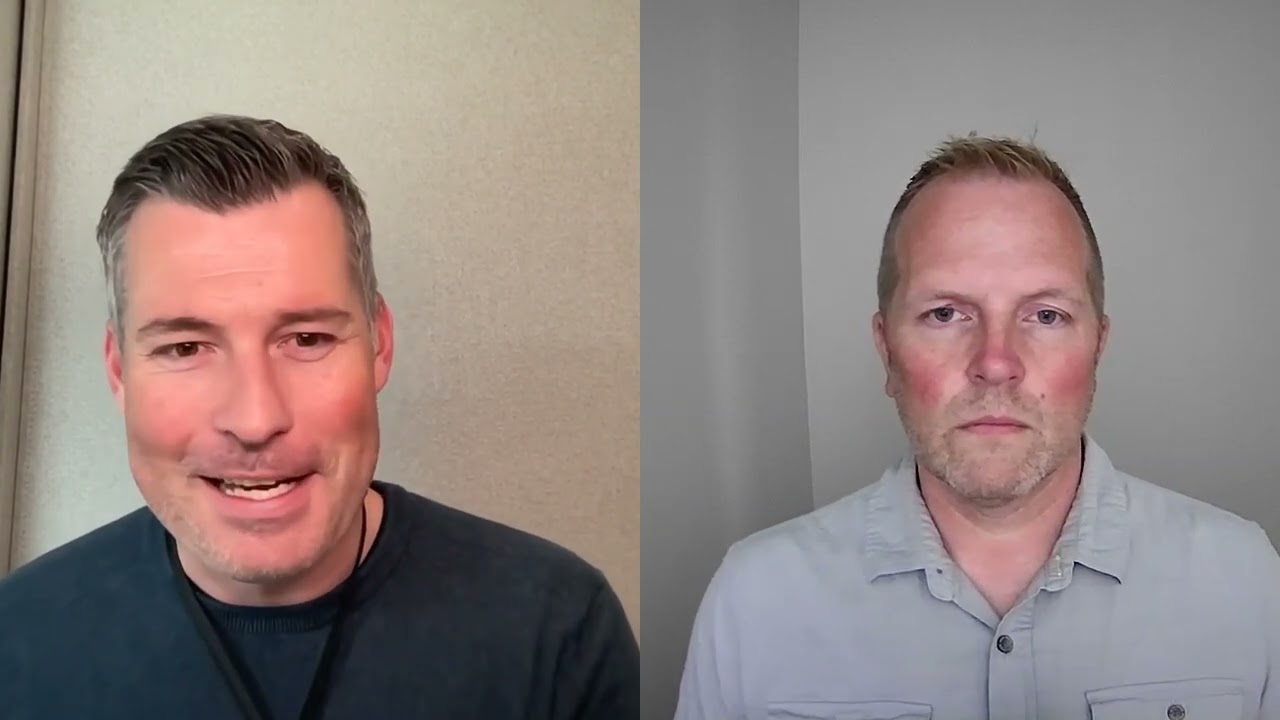
Financial Pillars
A walkthrough of the core financial statements every owner should be reading, P&L, balance sheet, cash flow forecast, and break-even, and the cadence to actually use them for decisions.
About this episode
Josh and Lyndon work through the financial fundamentals that most SMBs underuse: the income statement (P&L), balance sheet, cash flow forecasting, and break-even analysis. Josh's framing throughout is that financial statements are Google Maps for where you've been, dynamic forecasting is Google Maps for where you're going, and the difference between checking them annually versus monthly is the difference between finding out you missed your destination by a mile and being able to recalibrate at each turn.
The pragmatic prescriptions: if you're reviewing financials annually, move to quarterly; if quarterly, move to monthly. Cash flow forecasting belongs on a weekly cadence and is sharpest within a six-month horizon, though Lyndon makes the case for a one-year view to capture seasonality. Break-even tells you how much revenue you need to cover fixed and variable costs, and once you have that number, you can layer in your target profit and reverse-engineer goals down to daily and weekly activities. Josh's reminder on balance sheet forecasting matters for any business with lending covenants: current ratio, debt-to-equity, and similar metrics come straight off that statement.
For owners who hand a shoebox to their accountant once a year, this is the case for treating financial statements as a working tool rather than a tax-time chore.
Chapters
- 00:00:00 Intro and overview of the financial pillars
- 00:04:30 Income statement and balance sheet defined
- 00:07:25 Review cadence: annual to quarterly to monthly
- 00:11:00 Cash flow forecasting vs dynamic financial forecasting
- 00:15:42 Balance sheet forecasting and lending covenants
- 00:16:38 How far to project: 3-6 months for cash, a year for seasonality
- 00:19:42 Break-even: fixed costs, variable costs, contribution margin
- 00:25:28 Tying break-even into planning, hiring, and dynamic forecasting
- 00:29:00 Takeaways: the numbers tell a story
Tap any chapter to jump to that moment on YouTube.
Key moments
“The best analogy of financial statements is kind of like how at the end of the month you get this email from Google saying here's where you have been last month.”
“Dynamic forecasting is sort of like you've plugged in your destination to Google Maps and it's telling you where to go and how you should detour.”
“If you can do cash flow forecasting weekly, you'll have a really good picture four weeks, six weeks from now of what your cash balance is going to look like.”
“The numbers tell a story. You want to better understand the numbers so that you can understand the story of your business.”
“It's a much better way of doing that than simply looking at your bank balance right now and being like oh this is how we're doing.”
Your hosts

Joshua Leyenhorst
Founder of BasePoint CPA. Chartered Professional Accountant (CPA) and Certified Exit Planning Advisor (CEPA), helping business owners see the full picture of their numbers.
More About BasePoint CPA →
Lyndon Smith
Founder of Expansive EDGE. Two decades in projects and design across six continents, focused on operational leadership and continuous improvement for small and medium-sized businesses.
More About Expansive EDGE →
Full Transcript
Show transcript
Hide transcript
Auto-generated from the YouTube captions for this episode. Click any timestamp to jump to that moment in the video.
00:00 hi there and welcome to the business growth factor this is where we have conversations about building better businesses my name is Lyndon Smith and I'm joined by our my co-host Joshua Leyenhorst today and we're going to be discussing some of the financial pillars that uh you should be considering in your business these will be your profit and loss or income statements balance sheets cash flow for cost cash flow for costs cash flow statements and uh Break Even analysis so uh thanks for for joining today again Josh thanks for being here and yeah do do you want to
00:35 sort of step into that that conversation for us it's uh like I said we're we're really just touching on a couple of core components when considering uh financials in your business why it's important yeah maybe before we do I don't know do we want to uh introduce ourselves a little bit and who we are and what uh why people might want to listen to this a little bit or if you want to start us off Lon yeah sure so as I mentioned my name is Lyndon Smith um the podcast is about we're we're basically having conversations around building better businesses and the goal
01:08 is really to empower and equip everybody that's on this call with some tools and some resources to take and apply in their business so it's just a a free sort of you know conversation that uh you know we we're we're imparting a bit of wisdom knowledge and um experience with with everybody that's listening on the cult uh my background I worked in the mining industry for close to two decades uh got very process driven um in a very process driven environment for about a decade worked for a Robotics and automation company and um switched gears
01:42 moved into business coaching and Consulting I've got a company called Expansive EDGE and we support service-based businesses in documenting their processes and effectively just building a a business Playbook that empowers their team to to be able to access all the information that they require to be successful and to do their jobs efficiently and effectively every single time consistently so uh so that's me I'm going to hand over to Josh and uh we'll we'll take it from there sounds good um so with the background in mining could you say that your background is
02:15 kind of gold you've got like a golden background golden background yeah joke for the Day joke for the day okay um yeah so uh my name is Josh Lor I'm the founder at base Point accounting and finance or Bas Point CPA so we are an accounting firm work with um small mediumsized businesses primarily in the Contracting construction space um kind of providing help with uh the whole Finance side all the way from whatook keeping up to Virtual CFO services and the exit planning that happens after that so the full story of the business
02:48 and um yeah a little bit on the background front I used to be a scientist and so naturally I became an accountant but uh at the end of the day what it is is making decisions based on numbers and so that's what we're going to be talking about today is using the numbers of your business in order to make decisions and where to go in the ne next steps I feel like I got to pop in a dad joke there but I I just can't come up with now I'm thinking something around like business scientist or yeah well when it comes to you lynon just hop in there and uh and and and go for it I might interrupt you in in in in
03:22 the most uh um critical moment of your conversation yeah when when it's like the climax talking about accounting and finance and everyone's just on the edge of their seat and then you're going to hop in with a good joke it sounds good GNA happen yeah watch out for it watch his space yeah all right super so uh yeah thanks for the introduction there Josh um so when when we're when we're in business I mean there's a few core Financial components to consider I mean we we could get a pretty exhaustive and
03:55 extensive list but uh you know for the purposes of the conversation today where we're specifically going to be looking at your p&l or income statement depending on where you are in the world and what you call that um a balance sheet cash flow forecast cash flow statements and uh break even so we really want to look at like what are these documents telling us and or these statements what are they telling us uh why is it important to do a cash flow for cost or a budget and um what why is it important to understand your break even what what's that all about
04:30 mhm okay yeah so if we start off with financial statements I mean really what they are is there uh I think the formal definition is something along the lines of it's a a formal written record of the financial performance and position of a business which sounds very yaish U but maybe the best analogy of financial statements is is kind of like uh you know how at the end of the month you get this email from Google saying if you use Google Maps saying hey here's where you have been last month right sometimes feel a little bit creepy but it gives you this whole map of where you've been
05:03 what you've done uh as far as destinations go and so it's it's kind of a historical record and so uh in a similar fashion you know your your uh finan financial statements kind of show you where you've been and where you are as of a certain point and so um you know in terms of what they're they're made up of you have your uh income statements you had mentioned that uh a lot of people know it as the profit and loss statement or the p&l um so what that does is shows your profitability um it shows how much revenue that that came in what your
05:36 expenses are either tied directly to the delivery of your service or Goods um and then also your expenses and then at the end of the day your your bottom line which is the bottom line of the income statement which is your uh net income so your income statement is all about profitability um your revenues and your expenses so um and then you have your balance sheet and so your balance sheet kind of tells you where you're positioned and actually in the accountant academic space they're trying to rename it the statement of financial position which is a mouthful which is why not many people use it outside of
06:08 academic circles we still call it a balance sheet because it's like three syllables instead of 800 or whatever statement of financial position is um but what the idea behind the new name is that's that's what it is like as of a certain date this is where your your business is positioned financially um and so that looks at both assets which are what you own own and and liabilities which are what you owe and then at the end of the day uh the accumulated profits in the company which is uh called the retain earnings um or your equity which is a combination of that
06:41 and your uh share Capital um value okay excellent and and I mean the the word statement kind of um alludes to the fact that we're always looking in the rear viiew mirrror so it's it's what's already happened it's a record of you know what's happened in your business how your business is performed um and and what the statement of what did you what is the term statement of financial position yeah exactly um so so that's looking looking in in the past and um so so why why is it important to to dig into these
07:16 things how frequently should we be looking at these documents and um you like and why yeah that's a good question um I I think a good Cadence is if if you're not doing it you're doing it once a year which is what most a lot of companies do I would say I would venture to say most companies do once a year and that's when they get their year and financials done that's the point at which they see their um their year end their their uh income statement and balance sheet um I would say if you're doing that try to move to quarterly so at least every three months
07:48 you're looking at this and then if you're already doing quarterly try to move to monthly and again it is looking back right financial statements are looking back um but they tell you how you did and so you have a strategy if you have a goal you can start to measure against that and you can take that information and kind of project it out and say okay are we on track right uh if your um if your sales Target is maybe a million dollars for the year and you're halfway through the year and according to your income statement right for the first half of the year you've done $250,000 it sets the trajectory for the
08:22 rest of the year you're like okay we have to do another 750 in this next half year so although it's looking back it does help in inform you of what the future should look like absolutely and um sorry so so when you're when you're planning um you know putting your budget or your cash flow forecast in in in place um H how I you're obviously doing that with data from from from before right yes you're leveraging these
08:55 documents or these financial statements to to help you prepare um your forecast so your budgets do you have any other like considerations around like specifically the the income statement or your p&l and your balance sheet like you you mentioned that if you're if if a business is only looking at it once a year they should be doing it every quarter um I'd argue that for smaller businesses You' be looking at that at least every month I I mean ideally you want to go monthly I think when I say quarterly to monthly if you're only doing it once a
09:29 year you know when you get your year end wrapped up um move to at least quarterly to asking asking somebody to move to say monthly is a big jump and a pretty big hurdle and it probably won't happen but yeah ideally monthly if you can get a regular Cadence of closing your books by say like the fifth to the 10th of the month so that you can have some pretty up-to-date financials that you can look at on a monthly basis that's ideal because then if you do uh Dynamic forecasting which we could talk at some point later uh which is a bit more like Google Maps for your current Journey
10:02 right so we talked about how financial statements are a little bit like uh Google Maps summarizing where you've been uh Dynamic forecasting is sort of like your you've plugged in your destination to Google Maps and it's telling you where to go and how you should detour and so when you uh look at your financials on a monthly basis it positions you to be like okay here's we where we are now on the map here's where we want to go let's make this next leg of the journey but if you don't do that on a monthly basis basis you know and you're only doing it annually you may have missed your destination by I would
10:34 say a mile but when we're talking driving it can or even business could be many many many uh millions of miles but uh well maybe not with driving but with business and so if you look at it quarterly at least there's points throughout the year where you're sort of recalibrating you're saying okay how do we perform relative to what we're anticipating and how are we going to get to our Target and so if you can do that monthly that's fantastic that's like the ultimate Cadence to get into for sure so so Josh we we we jump straight into Dynamic forecasting there I wonder if we can maybe just take a step back quickly
11:07 for for the audience that haven't heard these terms or that are familiar with them but uh maybe just we we can add a little bit more context or value around it so when when we're talking about forecasting or cash flow forecasting uh budgeting it's it's kind of all the same same thing but just a a little bit of different terminology um you know I I think there's there's a lot of value in in making sure you've got a plan I mean if you start a business they want a cash flow forecast for um potentially up to two years depending on what uh what your projections look like also being lenders
11:40 or lenders yeah yeah yeah if you're if you're if you're getting some funding for your business but if um like how how far do you recommend you know companies are looking out and um what what what considerations are there I mean if if you're paying for software costs um you know that are pretty substantial and those are annual subscriptions that you're paying for you want to know those costs are coming off uh you want to know when they're coming off um are there any other considerations around that that uh that you you want to
12:13 share uh yeah so there's a lot there um when you're so we getting to the question about forecasting and so when I say forecasting and Dy Dynamic forecasting there's kind of multiple forms of forecasting that you can do uh one form is cashow forecasting so you had talked about that and so maybe just really quickly I can hop into to what that is specifically so cash flow forecasting kind of looks at your current uh cash position so what your bank balances right now um and then it takes into account things like what kind of cash is coming in and and you can do this on a weekly basis bi-weekly basis
12:45 monthly quarterly annual gets a little bit hard to start forecasting out cash flow I mean once you start going Beyond say half a year nine months there's a lot of speculation and a lot of uh unknowns that are going to factor themselves into a forecast but um it starts with your starting position and then you have the cash that comes in from things like invoices that you've issued or financing maybe that you've received cash comes in and cash goes out right so all your expenses your payroll uh paying yourself whatever it might be and then what's your bank balance at the
13:16 end of that so it's just a little spreadsheet uh you can search cash flow uh template on in Google and you probably find many different downloadable versions it's pretty straightforward um but yeah if you do that it helps you to at least anticipate what your cash balance will be you know months down the road so that you're not going to find yourself in a cash constrained position without being able to prepare for it and so you know preparing for it can be making decisions about maybe not uh um you know moving forward with certain expenditures that you are perhaps otherwise going to or
13:48 maybe it means finding some uh financing um options in in the meantime right but essentially once you get to that point where maybe you're seeing a bit of a cash cliff uh you're now prepared to navigate that period so that's sort of the cash flow forecasting part of it uh the dynamic forecasting I was mentioning is a bit more Dynamic Financial forecasting so whereas if you have a budget right so everyone's kind of familiar with the idea of budgeting you're like okay so our Revenue budget might be you know a million dollars for the year cost of sales maybe we're looking at like 500,000 then we've got our overhead expenses so you sort of set
14:22 like monthly uh revenue and expense targets for you know each of your line items on your income statement um and I'll try to bookmark this comment because I want to get back to this it's not just the income statement it's Al you should also be budgeting your your balance sheet but um when you do that that's a budget and a lot of people do it it's very important it makes you think through how it is you're spending your money and where your revenue is going to be coming from um but then you want to be revisiting it and so this gets back to our earlier uh conversation is you want to be revisiting that on a
14:54 monthly basis if you can because things change right your budget May deviate all the time yeah exactly and so if you don't revisit that the budget is almost I don't want to call it worthless because you know we put a lot of time into these things and it gets you thinking through there's value in it for sure but uh the dynamic forecast idea is each month you're looking at how you did what changed um what kind of uh assumptions may be changing in the upcoming months that may actually impact what your original budget was and you forecast that out accordingly maybe you need to hire somebody else you put that
15:26 in maybe some of the drivers of your Revenue which which we talked about in a different episode right is maybe some of those um assumptions are different as well and so that may change your Revenue assumptions and so you're constantly re-calibrating your financial forecast and it gives you a really good pulse on how your business will do and just real briefly and I'm rambling on here I apologize but before I forget so when you take that and you then uh allow it to feed into a balance sheet forecast that will also be really helpful because getting to your comment earlier about
15:59 like financing or lenders quite often they will require uh certain what you call lending covenants and these are restrictions that they have in place to protect themselves as a lender so they may say we will lend this to you but you have to maintain a current ratio of say 1.5 and which is like a ratio that you can pull off the data from your balance sheet right or they might say your debt to equity ratio needs to be below a certain point so these are things you pull off your balance sheet so if you can forecast out your balance sheet then as as well you'll know if you're going to be onside or offside with respect to
16:33 some of these lending covenants lovely so um I got I got quite a lot out of that that uh out of there um so I mean when you're when you're doing your projections um how far do you do you recommend looking in in Into the Future yeah that's a good question um I'm going to give you the accountant answer just that it depends so um I like to have very uh if I'm going to do an exercise like this I want
17:05 it to be pretty dialed in like I want it to be useful and so um I would say a really good cash flow projection um probably three to six months is what you're looking at I think anything beyond six months there's going to be a lot of uh factors that come into play that are going to throw put it this way if you if you left your cash flow projection the way it is your cash flow forecast uh it will be wildly different than your actual come six months so uh and same thing with a financial forecast and so that's why like the dynamicity if that's a term the dynamic uh um uh
17:39 nature of it is that you're constantly updating it um so that you have a very realistic picture right so even cash flow forecasting for example ideally do it Weekly right because every week things are changing in your cash flow so if you can do cash flow forecasting weekly you'll have a really good picture four weeks six weeks from now of what your C your cash balance is going to look like and and until like six months but you'll have a really good picture within six weeks to make decisions I I got that I think um you know I would argue that uh you know I
18:13 would say look a year ahead and um and bring some of that seasonality into your into your projections as well so you can start taking a look at your um your historical data so your um p&l and your balance sheet and you can see what's happened in your business historically over the years Ian if you've been in business a couple of years you can go back and you can see if there's seasonality Trends in there and you can start introducing that into your projections as well for sure and that's the reason why I'd say go a year ahead I do uh understand that like that is kind
18:46 of ambitious you know you never know what macro or microeconomic um considerations there are that are going to impact your business um you never know I mean like Ai and how that's changed the way the people are doing things and how impact your business you never know what pandemic is uh is lurking ahead of us yeah so um yeah Lyon for sure sorry just to to cut you off I think you know when it I guess when I say six months it's like the the real accurate forecasting but absolutely you should be trying to project out one three five years is g to be a stretch
19:20 right but uh like strategic planning you should do it once a year and you should plan out what you anticipate the year to look like and maybe the next three there's going to be a lot lot of assumptions based baked into that and you may need to Pivot on those often right but uh for sure you make a good point there absolutely projecting out a year is very important especially for budgeting and strategic planning absolutely good I'm GNA move us into the next part of the conversation and then if I remember I want to come back to this uh to the cash flow forecast and how it ties in with your with your break
19:51 even so the next part that we that we um had planned for today's episode is is break even so Josh I wonder if you can talk a little about that like why why is it important what is what the hell is a break even you know like why why is it important and um how do you bring that that data or that information into making good decisions in the future yeah so your break even uh at the end of the day what it tells you is what do you need to do in terms of uh sales revenue to to break even what does Break Even means it means after you've made a bunch
20:24 of sales and run your business your business made Z doar in net income so uh when you're starting out a business you know the first s is always very exciting you know as you're growing and and building your business you know all revenue is super exciting you should still treat it as super exciting as it's established you should honor your Revenue because it's essentially a contract with your customers or your clients of what you're going to do for them so there's there's a respect level there you should have for your revenue for sure but what you need to realize is your revenue is a top line on the income statement right so you have other
20:56 expenses that happen uh over the course of your business variable costs yeah exactly yeah so and those things happen and so at the end of the day when everything shakes out you know when you hit zero dollars of net income you've essentially covered your costs as a business that's your break even and so that's going to be driven you mentioned it just there right it's going to be driven by your price but then also your variable cost and your fixed cost those are the the drivers that impact your uh break even um Josh you froze up a little bit there
21:32 I don't know connection yeah now you went blurry so you didn't have one of those funny looking faces when uh when you froze up usually that happens to me okay good as long as it looks normal then uh then I'm good with that oh yeah good yeah so hopefully that's that's a good summary like at the end of the day it helps you understand uh what you need to do in terms of revenue or sales either from a a revenue perspective so like the dollar figure or uh you can do it from a volume
22:05 perspective as well there's a calculation for it we can put it in the the comments a link to that uh you can also have a volume calculation so like how many units or how many uh number of items do we need to sell how many contracts do we have to do if they're roughly 30,000 each or whatever it might be how many of these do we have to sell in order to break even and then where this where this gets really important as a business owner is you know we're all in business business essentially to make a profit right and so once you know what that break even point is then you add in the profit that you want to be making at the end of the day right and so um you
22:38 know you add that in and then that will adjust your break even point right to make sure that you've got that profit coming out of it as well so Josh just one more question on on the break even side of things so um it's easy to to calculate your fixed costs because you know that that's that's kind of like a given every month so when you're when you're how do you I mean what what is your your take on calculating the break even when you have um like variable costs to consider I mean maybe you can just run us through that at a at a high
23:11 level sure without getting hyper mafy so um yeah good question so your variable cost best defined I don't know if it's best defin there's probably better definitions of there but I'm going to try my best to Define it here essentially our uh variable costs are the cost that you have that will change as the volume of your sales changes so um say for example I sell uh flooring okay like a flooring uh Distribution Center so um I've got my my warehouse that people come into to sell so say I
23:43 spend $110,000 a month in rent there so that's going to be a fixed cost whether I sell a ton of flooring or nobody walks into my warehouse I still spend $10,000 a month on my rent for that warehouse and so now if I have people installing flooring then I've got labor right then I've got materials those things will change with each of my sales so as soon as I sell you know put in like 25,000 square feet around this big like maybe a retail store or something right um then all of a sudden I have um materials
24:17 costs I've got labor costs I've got transport costs these are all tied to the delivery of my sales and so then the idea is how many of those do you need to do to cover those fixed expenses in order to break even the more more projects or jobs you take on that break even amount is going to increase yeah so um yeah and and the challenge is like and especially as a contractor you're going to have different different types of uh services or sales or contract types that you offer right you might have a bathroom
24:48 might have bedrooms might have Full House Rena uh maybe depends on the type of the house um so maybe it's on a square footage basis that you calculate this right you're like okay so generally speaking on a square footage basis our price ends up being this our variable costs which are the costs that we incur to do the project and end up being this on a square footage basis and so our contribution margin the amount that contributes to our fixed overhead and profit at the end of the day is two bucks maybe a square foot or whatever it might be so then you're like we need to sell x amount of square feet in projects in order to either Break Even or to hit
25:23 a certain profit so it gives you a Target to shoot for got it all right awesome all right I'm going to I'm going to pull it back to the the point that I made earlier so having your break even and and tying that into your cash flow forecast is is is really valuable because now when you start doing that strategic planning and you start setting goals for um you know the quarter that you can bring back to daily weekly monthly goals and and even like your long-term goals like the the longer term I wouldn't say long term by any means
25:55 year is not a long term but uh you know long longer term goals like you know your annual um targets that you have understanding what that break even is and what those margins are from that break even margin is not probably not the right word to use there but um that profitability above break even um what that looks like have you frozen there or you just looking at me very funny I'm just looking at you very intently lynon I'm just like like okay what's he asking here not asking it's more of a more of a statement like so
26:27 when you're when you're during your break even um and you've got those numbers it empowers you or it allows you to actually start doing some better planning um for your your sales team your marketing team your Ops Team and um y yeah because and that's an important point because if uh say for example like get to your planning comment there if you know you understand what your break even point is and then if somebody says hey we should uh invest in another salesperson or we should bring in somebody else on our team to help with this you'll know what the impact is on
26:59 your sales requirements in order to break even maybe like okay if I add somebody what's this going to do to my overall projection My overall Target for sales is that where that Dynamic forecasting that you're talking about comes into play so when you when you hit that roadblock or that speed bump on the on the journey across Canada or whatever um and you need to to recalibrate and take another route um then then you can calculate like oh it's going to cost me an extra you know 6,000 bucks or 10,000 bucks for for this
27:31 salesperson um and then we got to factor in their commissions and everything else that's what it's going to look like and you have that Dynamic forecast so it's just recalibrating that forecast so that um you know whether or not this is a fe feasible decision to make uh now or in three months from now yeah and so the the break even analysis itself and the tool that we can uh provide here is like more snapshot based so it's like okay so if we have this cost structure in place this is how much we have to do in Revenue to to break even the dynamic
28:03 forecasting uh we use a tool that essentially lays out like 12 months in advance and and bakes in certain assumptions so uh if you have Revenue drivers that are based on say a square footage uh basis we can put that in there be like okay so for every square footage you're you're bringing in this much revenue um and so how much do we need to be selling in order to get H hit your Revenue targets and then we'll actually forecast out the expenses so like a budget but then each month we update it to see what your your income looks like over the next 12 months so
28:35 it's essentially a forecasted income statement and balance sheet uh that changes each month as your business has been operating uh whereas say like a break even analysis just looks at okay at the end of the day what do we have to do for sales to break even this month right so yeah yeah no no I got that I think uh like I mean yeah 100% agree with you there all right super so uh Josh I mean I think we can we can wrap this up today so um what is like one key takeaway one Golden Nugget that you you'd like to leave the the uh listeners
29:09 with a golden nugget um it might just be higher level this time for me so just the idea I always say that the numbers tell a story right and so you know we've talked a lot about like the where the numbers are sitting today so you've got your financial statements you have your your cash flow forecast if you do that it's going to help decide um you know your expenditures and your cash burn and then you've got your break even analysis and so it helps you understand how much you have to have in terms of sales to hit certain profitability targets so all of these are different tools that help you
29:41 better understand your business and and ultimately they tell a story and so you want to better understand the numbers so that you can understand the story of your business and when you understand that story you can be a lot more proactive in writing it instead of just reading it a year later when you're looking at your financials if that's kind of the Cadence that you're currently using yeah excellent and I think you know just to to add to that is um you know look looking in the rarw area is is great it it allows you to to make excellent decisions moving forward but
30:15 uh you do need to you do need to plan for the future you can't uh you can't plan for the future without looking at what's what's happened in the past and um you know that's why your your p&l your income statement your balance sheet uh why that's extremely valuable but you take that data and you and you apply that into um your forecasting or budgeting and um it empowers you to make really better decisions so um to your point you know it's it's a it's a it's a great tool for for decision- making and also just to keep track on uh you know
30:47 keep your your finger on the pulse and make sure that your your business is actually profitable and you're not uh chewing away funds um unknowingly right for sure and if I can maybe like add a secondary nugget just kind of related to that is it's a much better way of doing that than simply looking at your bank balance right now and being like oh this is how we're doing because that's not the best way to make decisions for your business and that's and that's like a cash flow thing we can get into that in another another episode completely and um yeah so we we'll leave that there but uh thanks thanks for everybody that's
31:19 listening to us today and thanks Josh for your insights uh your Financial Insights and experience there I I get to learn a little bit everything every time we have these conversations I appreciate you do I these are good conversations for sure yeah and um yeah we're looking forward to joining you you guys joining us for another episode of uh the business growth factor and again it's conversations about building better businesses thank you and we'll we'll chat to you soon awesome thank you
Never miss an episode
Get helpful business tips and a heads up when we release something new.