
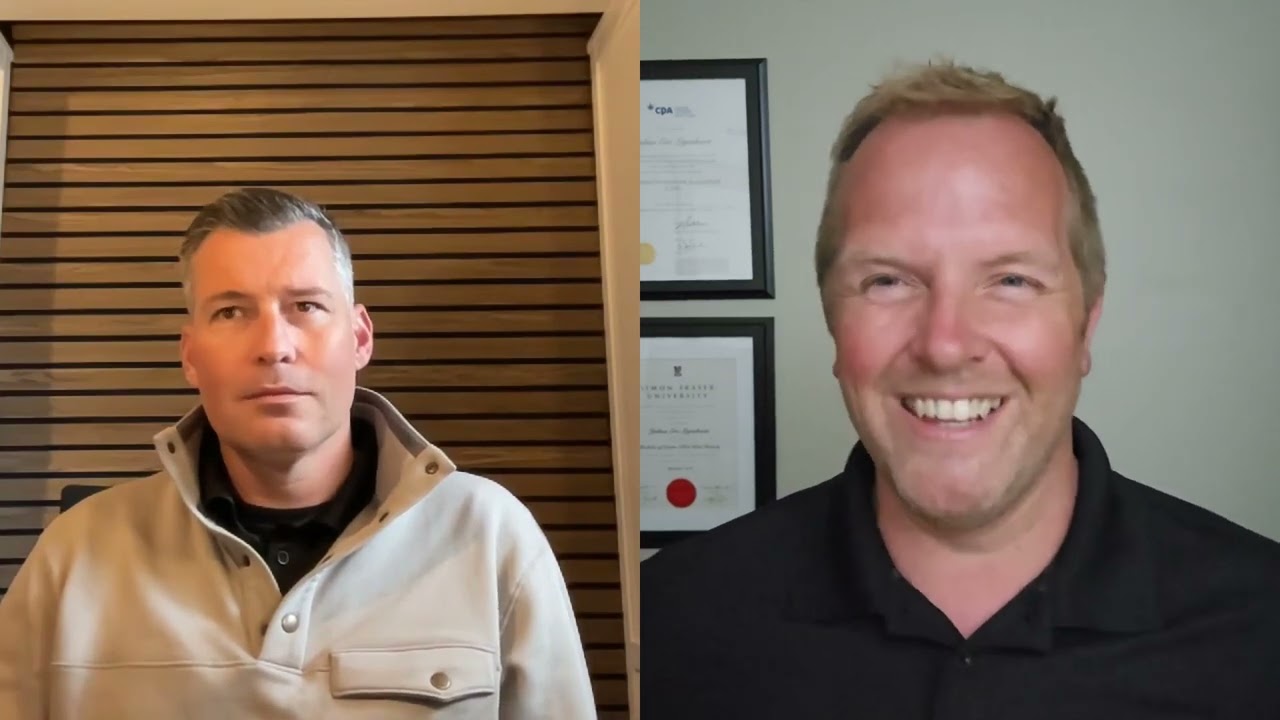
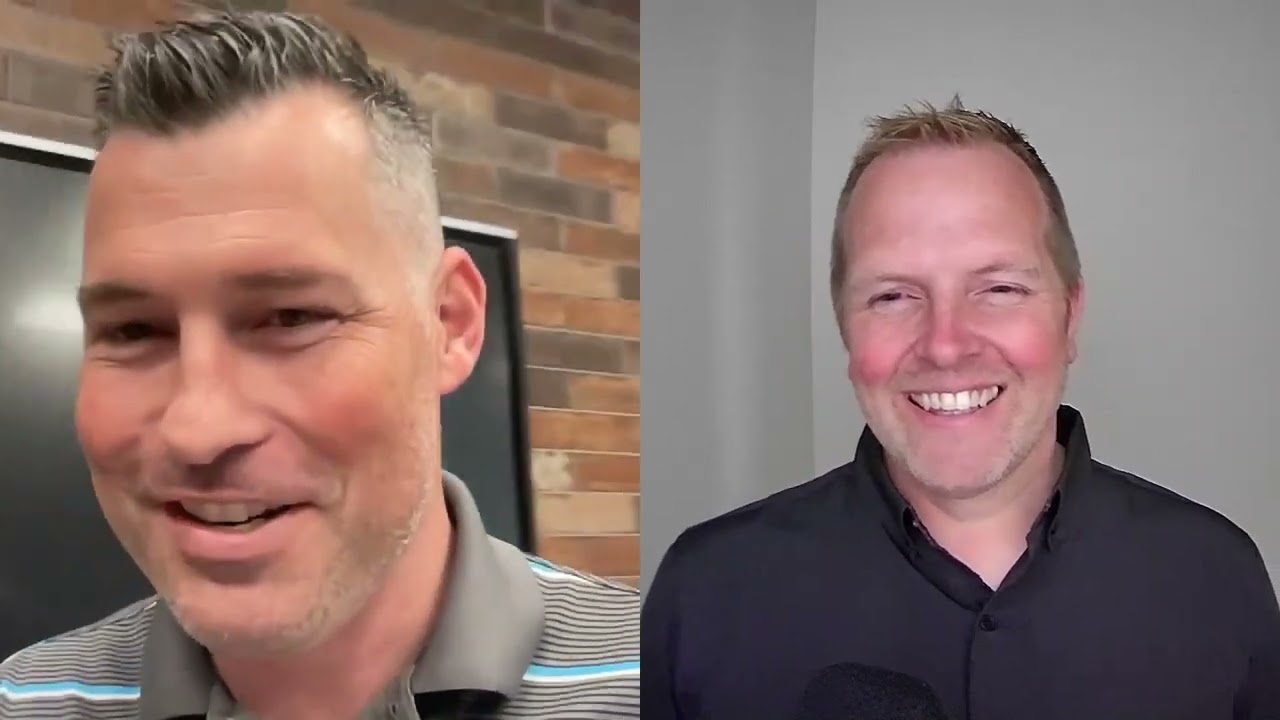
Meet Josh: A BasePoint CPA Conversation
Lyndon interviews Josh about BasePoint CPA, what virtual CFO services actually involve, when to bring in fractional financial leadership, and the hindsight-insight-foresight progression that takes a business from year-end shoebox accounting to strategic financial guidance.
About this episode
Lyndon interviews Josh about BasePoint CPA, the cloud-based firm Josh founded that provides bookkeeping, virtual controller, and virtual CFO services primarily to contractors and construction-space businesses. The episode walks through the spectrum from no financial leadership (the classic year-end shoebox of receipts handed to an accountant) to having a full-time finance lead in-house, and where virtual and fractional CFO services fit in between.
The framework Josh uses to map the journey: hindsight (bookkeeping done well, tax compliance, knowing how you did), insight (controller-level work that pulls out the key financial metrics and surfaces opportunities for improvement), and foresight (CFO-level strategic guidance about where the business is going and what financial moves it needs to make to get there). He shares the typical revenue thresholds, bookkeeping current weekly from day one, virtual CFO services starting to add real value around $1M revenue, in-house finance lead making sense around $8-10M. The pricing context matters too: full-time CFO is north of $150K plus bonus, virtual CFO starts around $1,750/month, fractional CFOs typically under $10K/month, a fraction of the cost while still getting strategic financial guidance.
The closing thread is mindset. Owner buy-in matters more than the engagement structure: if recommendations don't get actioned for two or three months, BasePoint will pause the engagement rather than keep charging. Josh's bigger point, the business is a vehicle to get the owner where they want to go personally, and your goal as an owner is to become the least important person in your business.
Chapters
- 00:00:00 Intro: when to bring fractional or virtual financial leadership
- 00:00:42 The spectrum: shoebox accounting to in-house CFO
- 00:02:50 Revenue thresholds: bookkeeping, virtual CFO, in-house lead
- 00:06:59 Hindsight, insight, foresight as the journey
- 00:10:14 Acquisition due diligence and fractional vs virtual CFO
- 00:12:53 Pricing: full-time vs fractional vs virtual
- 00:16:00 Building rhythms and discipline before scaling up
- 00:18:46 Growth triggers: when owners actually need more help
- 00:22:50 Virtual vs fractional CFO: how BasePoint defines the terms
- 00:27:00 Owner buy-in and the maturity needed to engage
- 00:34:00 Becoming the least important person in your business
Tap any chapter to jump to that moment on YouTube.
Key moments
“We always say the numbers tell the story. So if you can understand what that story is, hindsight, understand what the story means, insight, and then write the next chapters. That's the foresight.”
“Your business, awesome as it may be, is ultimately a vehicle to get you to where you want to be personally.”
“Revenue is vanity, profit is sanity, cash is reality.”
“Our goal is not to elongate as much as possible our involvement. It's to help business owners be as successful and profitable as possible. And so the sooner we can hand that off, the better.”
“Your goal with your business is to become the least important person in your business.”
Your hosts

Joshua Leyenhorst
Founder of BasePoint CPA. Chartered Professional Accountant (CPA) and Certified Exit Planning Advisor (CEPA), helping business owners see the full picture of their numbers.
More About BasePoint CPA →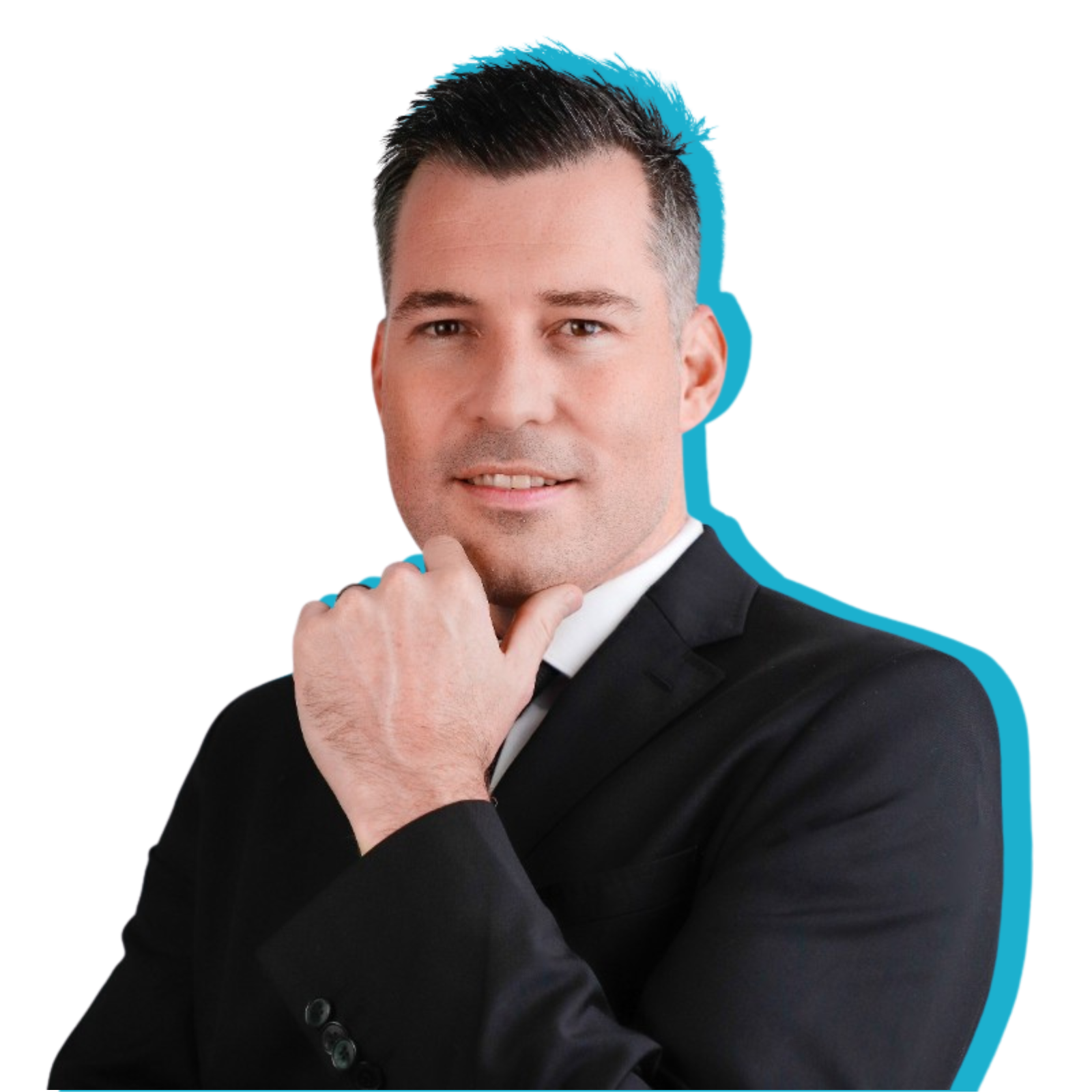
Lyndon Smith
Founder of Expansive EDGE. Two decades in projects and design across six continents, focused on operational leadership and continuous improvement for small and medium-sized businesses.
More About Expansive EDGE →
Full Transcript
Show transcript
Hide transcript
Auto-generated from the YouTube captions for this episode. Click any timestamp to jump to that moment in the video.
00:01 Hi everyone, my name is Lyndon Smith and welcome to another episode of the business growth factor. Today we're going to discuss when's the right time to bring fractional or uh uh financial leadership into your business. Josh is going to kind of lead the conversation uh for us. We'll we'll be asking him a whole lot of questions because he is the expert in this space. So uh Josh, thanks uh for obviously being here always. Um yeah, so maybe just to to kick us off, I think uh you know, when we talk about financial leadership in in a
00:34 company, what what does that look like? What are the different options? Um you maybe just uh just open up the conversation here for us. >> Yeah. Well, maybe what we maybe the best way to I guess start conversation is just um mapping out the the fence post on either side of of what that can look like, right? So no financial leadership, you know, is going to be if you're starting your business, right? And this is very common, by the way. So if if you're listening to this podcast and you're like, "Oh, I do that." You're not the only one. A lot of business owners do this, okay? Uh you start the business
01:07 and you're really good at what you do and so you're delivering your products and services, you're working really hard and then you have all of your receipts and stuff in a shoe box, the classic shoe box, right? And then you give it to your accountant at the end of the year and you're like, "How did we do?" Right? It's kind of a hope and praise sort of process as far as like I hope my business does really well and then you find out at the end of the year how it did. You pay your taxes, done deal. Um that is the no financial leadership kind of end of the spectrum. Okay. Then you have the far other far end of the spectrum where you're going to have
01:39 somebody on your team who is going to be a finance lead, right? Maybe it's your controller, maybe it's director of finance or CFO. And so that person's role is is not just making sure that all the books are up to date and correct and your business is compliant, but also looking at the numbers to make sure things are working properly, right? So understanding key financial metrics to to know how strong a company is financially, but then also using that information in order to forecast into the future. So it's like what is the goal of the company? Where do we want to
02:10 be in the next year, the next 3 years, next 5 years? what do we need to do from a financial perspective in order to get there as well? Uh because if you're going to be mapping things out like okay, so we want to say double our revenue in the next two years, you're going to have some service or product delivery requirements that are going to require um purchasing volume going to require HR changes, right? You're going to have to have more people on your team. And so you need to know whether or not you can do that or at what point along that journey you can do that. And so that's what having a finance lead in your business looks like. And so every
02:44 anything in between is then you know where you you might fall. So >> So um at what at what point do you think a business is or needs to be uh in in revenue or like what's what is kind of the uh the qualification criteria to bring that that type of leadership into a company? >> Yeah. So it's a good question. So what that leadership looks like can be different, right? So, um you know, if you if you're just starting your business, you just want to make sure you have a really good bookkeeper uh for your business to make sure your books
03:17 are current. Um when I say current, I mean like not having them done at the end of the year. If that works for you and you're not looking to grow your business, you know, that's your choice. That that's totally fine. But if you're looking to grow and scale your business, you want to have a good pulse on how your business is doing financially. And so, uh, what we do is we try like with our bookkeeping team, we try to keep, uh, our clients books up to date, well, weekly. So, basically have somebody going into, uh, our client's books on a weekly basis and make sure all the transactions are updated as much as possible and then closing them out on a monthly, uh,
03:49 basis. And that allows clients to have a good pulse of how their business is doing financially because you can have some good reports and things like say QuickBooks Online, which is a platform that we primarily use. you know, if we can like train clients to be able to hop in and see some of these reports on their own. Um, so at I would say at a minimum, make sure you have somebody taking care of your books, right? Even it's like a family member, something, but keep it very up to date so you have a good pulse on how things are going. um when things start growing more and and you start to feel this like usually a
04:21 business owner will start to feel when they're generating more than say $250,000 a year in revenue, they'll start to feel very busy because that's the point usually where you have to start delegating and having more help. Um and so better strategic financial guidance is helpful at that point. Um and so at least being a little bit more on the numbers is important at that point. uh what we find so we we provide what we call virtual CFO services which is like strategic financial guidance on a monthly basis. So we'll look at your
04:52 financials from the last month. Um we'll look at where you're trying to get to. We'll forecast what that might look like over the upcoming year based on your financials from the last month um and the period preceding that. And then we'll give very specific recommendations of what to do in the upcoming month in order to optimize revenue, profit, cash flow, and overall business value. And so, um, when you a company that would kind of be be able to benefit from that would be a business that's doing about like a million dollars in revenue. But what we find is as soon as you start to hit that $8
05:25 million revenue line, at that point you are um more likely to benefit from having somebody inhouse at that point. >> Okay. Gotcha. So um I mean when we talk about financial leadership I mean we you mentioned having a bookkeeper making sure that everything's sort of uh up to date like on a weekly basis at the at minimum. Um and then you'd be generating I mean you could extract your P&L and your balance sheets and all that uh from from QuickBooks on a on a monthly basis. I guess you could do it weekly. I don't
05:58 know if that's a that would be a requirement but I think on a month monthly basis and you could be kind of just monitoring everything over there. Um, how does that look? Uh, you know, you've got your bookkeeper or accountant that might be sort of handling that for you. What is, uh, you know, what I'm hearing is that that financial leadership is is more you're coming into place to support with, uh, strategic >> direction. So, you know, like we've taken a look at your numbers. is we, you know, taking a look at what your what, you know, what the forecast looks like
06:30 um in order for you to make this next higher, this strategic hire. Um you need to maybe turn over a little bit more um revenue or you maybe need another big project or hey, you're actually ready to do this and it makes a whole lot of sense because uh now you can, you know, offset whatever over here, right? So is is that what I'm hearing? something along those more strategic uh >> like >> direction. >> Yeah. So the way we kind of map it out for people is you have sort of three
07:04 three steps, right? You have what we call hindsight, >> insight, and then foresight. Yeah. >> And so at the hindsight level, this is going to be the the how did we do type question like where are things at? >> Um and so that's like your bookkeeping, making sure everything is up to date, you're complying on everything. Okay, that's hindsight. that is like table stakes. You want to make sure that's happening in your business. Okay? You want to be able to know how you did. Uh insight is that additional level of insight into the company. So this would be you know we we have uh what we call virtual controller services that we
07:36 offer. And so what that does that make sure that all the hindsight stuff is done and done correctly and you know everything's compliant from say a tax perspective. Um but then it also looks into key financial metrics to make sure that there's uh good financial health in the business and so and where there might be opportunities for uh improvement then we'll highlight those opportunities for improvement based on the insight from the financial information at that time. >> Gotcha. >> And then we move into what we call foresight. And foresight is you know
08:08 what's involved in taking the business financially into the future that it wants to go. Right. And so conversations typically in that side of things and this is a CFO type side of the services that we offer. Conversations are around okay well what do you want as like an individual as a business owner personally like where do you want to what do you want to do? Do you want to retire in 5 years 10 years? Where do you want to be in that time frame? Um what does that mean for your business? Because your business is the vehicle to get you there. Right? And that's what I think is very important for business
08:40 owners to understand is that your business, awesome as it may be, is ultimately a vehicle to get you to where you want to be personally for the most part. Not everybody. Some people just want to have a small little business and it's not necessarily a vehicle to get them to their dreams. That's totally fine. That's that's you want to establish what that ultimate goal is, right? But ultimately for businesses or or owners who are looking to grow and scale their business, that is what their business is, the vehicle to get them there. And so when you can identify what that is, then you know, okay, my business needs to fill that cash
09:12 requirement for what I'm looking to do in my life now and in the next 1 3 5 10 years and then build that plan out. Um, and so then we get into something that we call dynamic forecasting. So we'll look at the forecast based on what you need to do for the upcoming year to fulfill where you're trying to get to. And then each month based on the financial information that we have and this is why we keep very current book books for clients is because we need to know on a monthly basis where things are at in a very tight way. And so we'll take that and be like okay this is where
09:44 you are. This is where you're performing relative to where you wanted to be >> based on this overall goal. >> So this is what needs to change in order to continue the trajectory you want to be on. So it's it's you know we always say the numbers tell the story. So if you can understand what that story is, hindsight, right? Understand what the story means, insight, and then write the next chapters. That's the foresight. >> Yeah. Start with the end in mind, right? >> Exact. Yeah. Exactly. Yeah. Now, if if a business were like they're they're
10:16 they're I mean in in hyper growth mode and they were looking to to make some strategic acquisitions, you know, uh I guess an accountant or bookkeeper that hindsight and and uh um insights not kind of going to get you there, right? You you want to know that you've got the capital or how much debt you've got to leverage or what that actually looks like to make that acquisition. Um, you obviously have to dial in with your ops people and everybody else to sure that it's a it's a very good strategy, but um, yeah, what does that look like from a from a CFO's perspective, from that,
10:50 you know, financial leadership perspective? >> Yes, that's a good question, Lynon. And and it it would depend on like, you know, if you have a CFO in your company who's competent to take care of those types of questions or if you need to outsource it. And this might be a good time also to differentiate between what we would call fractional CFO work and just virtual CFO work that we do. Uh you know and this this may differ depending on who you speak with. Everyone kind of works with their own definitions but the way we view it is a fractional CFO is a CFO that you bring into your company for a period of time to do the CFO work
11:23 that's required at that particular time. you know, quite often might be project or initiative based, uh, you know, as far as goals there versus virtual CFO services, you know, they're ongoing services like what we do where it's just strategic guidance each month to get you to where you want to be. Um, something like an acquisition like that. We do uh, M&A or merger and acquisition due diligence for clients. Uh, so you'll want to make sure you have really good due diligence done. Uh, we do the financial due diligence. There's also other areas of due due diligence that you'll want to consider as well. Um but
11:56 then yeah, to answer your question, you know, can the business even do this, right? Um is this a good strategic move for the business? That's an important thing to be able to determine uh from some kind of financial leadership, whether it's in house or, you know, if you bring in a fractional CFO or if you have someone like us who's a virtual CFO, we can look into that for you as well. uh because those questions also answer other questions around how do you finance this acquisition, right? Because you know we'll have a pretty tight eye on cash flow for the business and so we'll know okay is this something that
12:28 can be financed through the ongoing generation of c like cash through the business. Typically you need to look at other financing alternatives. Um you know if your business is generating so much cash flow that you can just you know self- finance acquisitions then you are in a very good very good business. stuff. >> Okay. Excellent. And um so just get me clear here the difference between a fractional CFO and um you know like a in-house CFO. I mean obviously you're you've got the fractional CFO in a fractional capacity. So I mean I don't
13:02 know what the market related rate for a for a full-time CFO would be but I imagine in the you know late close to 200k per year 150 to 200k for a smaller business. um where a fractional would be >> 4050 $60,000 a year commitment and um you know you're you're kind of stepping into that uh that realm where you actually have that leadership um you know structure available in in your business right >> yeah yeah and so that really depends like a CFO for a large say publicly
13:34 traded company going to be a lot more requirements there typically salary range is going to be north of 200 quite easily um but yeah smaller businesses quite often a smaller company will bring in a controller before they bring in a CFO because CFO again is more thinking strategically into the future, right? You want to at least make sure your books are tight, you're compliant on the tax front, and at least you have an understanding of what the numbers mean, what they mean for your business, and how you can make things better like that. That's like very very key before you start even thinking about uh CFO. But yeah, CFO, uh, you know, any kind of
14:07 finance lead, if you want to have somebody quality in the position, I mean, right now it's July of 2025, so these things change quickly. But, you know, a controller, you're probably looking at$1 to $130,000 for a decent controller uh, full-time in the company. And then a CFO is going to be north of that. Um, and that's kind of before bonuses and stuff, right? So, if you end up having a fractional CFO or a virtual CFO, it's going to be a fraction, no pun intended, of that cost, right? And so, it's going to be very specific to what's going on. Um, you know, as far as our
14:40 services go, uh, our virtual CFO services start at 1,750 a month. And so, it's a small fraction of hiring somebody full-time. And that just gets you like your base level uh reviewing your financials up to the prior month and then giving you very specific recommendations of what to do in the upcoming uh month in order to keep your business moving uh as far as like specific levers that go that that we look at that impact specifically your revenue, your profit, your cash flow, and your overall business value. And so um then businesses will need additional
15:13 things that they'll need more eyes on. And so then the price can go up from there. But yeah, fractional CFO usually going to be under $10,000 a month. >> Yeah. >> And so it's still going to be less than having a full-time uh CFO in place. Um but uh yeah, that's typically the big difference there. And that's why there's a big value for say a company that's doing revenue of about a million to say 8 million a year is they can't necessarily afford a full-time finance lead at 150 plus thousand a year. And so
15:47 when you're paying 25 to 50,000 a year, it's it's a whole lot more affordable, but you're still getting a lot of that strategic financial guidance. >> So, and I I think it also, you know, for a smaller company, uh it starts building up the the the rhythms and the cadence of certain financial um details that you need to be looking at consistently. Yeah. So >> yeah, >> you you start building that muscle and by the time your business reaches let's say eight or 10 or you know even maybe even a bit more uh when you're ready to
16:19 bring on that full-time resource uh you have that discipline in place with your your like leadership team your president you know ops people >> um you know so when you're bringing that that full-time resource on board uh you already have some process and and structure in place for that. So, >> yeah, 100%. >> Pretty cool uh way of warming everyone up into, you know, like as as your business grows, you're you're kind of just fulfilling the right uh Excuse me. Sorry.
16:49 >> No problem. >> You're fulfilling the right um you know, requirements of stages. Yeah. >> Yeah. Yeah. That's actually a very good point, Lyn. And so, if you you know, if we go back to our earlier example of somebody with no strategic financial leadership in their business, right? It's just that I just bring my shoe box to my account at the end of the year and see how things shook out, right? Um, you know, going from that to having somebody ready to have a full-time CFO in their business, that's a big that's a bit of a journey. Now, I say big, it's not necessarily a timelengthy journey
17:21 because some businesses grow very rapidly, but along that journey because quite often business owners, their business is their craft. Like they're very good at their craft, right? They're good at what they do, not necessarily running the business. they don't necessarily know how to do that part. And so, um, that journey, you know, when we come on as virtual CFO also, like you say, helps warm them up to some of these rhythms that are very important to have because when you get to the stage when you have a controller or especially when you've got a CFO inhouse full-time, you need a leadership team. like you're
17:53 basically at a level at that point where you need to have a leadership team that's looking at very specific things on a very regular basis that's very much tied to the overall overall strategic objectives of the company. And so if you don't have those rhythms in place and they just get a CFO, it's going to be a big like culture shock, right, of like, oh, there's some expectations in terms of what we're looking at on a regular basis that we are not used to, right? And so we certainly help set those rhythms in place. So I'm just uh just want to maybe take a step back here
18:25 because it is a mindset thing, right? Like it's a you the leadership team need to be in the right mindset and positioned correctly to you know to to bring on that leadership. So going from the bookkeeper accountant, you know, like here's my box of receipts and like why would I move away from that into having or bringing on financial leadership into my business? What is the what are some of the triggers? what what what are the what is the experience that the um you know the business owner or team are um going through to to start on
19:00 those uh that leadership into the business? >> Yeah, it's a good question. Um it's it's growth. A lot of it's just growth challenges, right? So um again, there are some businesses that work totally fine by just doing their thing, submitting the shoe box at the end of the year and it is what it is. you know, they probably know their business well enough that that's just the way the business operates. There's no big changes. There's no significant growth, right? Um, typically where there's more financial leadership needed is going to be situations where like, okay, we're
19:32 growing. I think I mentioned earlier, right? Like also your revenue is uh scaling up quite a bit. So, your delivery is going to have to scale up quite a bit. So, you're going to need um more purchase. I mean inventory heavy businesses or uh say construction companies that have like a pretty high work in progress or whip uh you know there's a cash flow impact there and so they need to be able to map it out a little bit more and be like okay uh can we take on this project because there are significant cash flow implications or can we hire this next position right so we want to double our revenue so
20:05 that's going to mean 10 additional projects we need to bring in an additional project manager can we afford to hire this project manager and have that on our payroll for the year, right? And so it's those types of questions that start coming up. And a a very common um I'll call it pitfall because that ends up being a pitfall uh that business owners bump into at this stage in the game is making decisions based on the balance of their like their bank balance for the company and then finding that that didn't work out so well, right? Because within your your bank
20:37 balance in your company, you have things like uh your corporate tax liabilities, you have your payroll tax liabilities, you have payroll liabilities coming up, right? You have all the vendors that you still need to pay. So, a business owner, you know, that's in a rapidly growing business, they might look at their bank balance and be like, "Wow, we've got like $450,000 sitting in here. This is great. >> That's right." But it's like, "Oh, but you still owe $70,000 of payroll tax for everybody that you paid out last month for payroll, right?" So those are the things that start to become a common challenge that a business owner will
21:11 bump into because of rapid growth. Uh not not even necessarily rapid, just growth in general. They'll start to bump into these things. And so common questions we'll hear are like, "Do I have enough money to hire this position?" Right? Do we have the cash flow to be able to take on this big project? Right? Those are uh another common one is like on paper I see that we made a whole bunch of money. Where is it right? Like why is this not in the bank? Um and so just understanding the cash flow dynamics because you can have a very profitable business but not have
21:44 strong cash flow indicators. So there's specific levers that you can pull to optimize the cash flow in your business. And so that's what we go through with business owners is be like, "Okay, you need to focus on this because pulling that lever will release a lot more cash flow in your uh business and help with those cash constraints." >> It reminds me of that good old saying, revenues vanity. Revenues vanity, profit is sanity, and cash flow is king. >> Yeah. Yeah. I heard another one. Yeah. We and we actually we we say that quite often with our clients. Um but I heard another one recently was revenue is
22:17 vanity, profit is sanity, cash is reality, right? I mean that's the thing at the end of the day that you feel it's like okay we are very profitable these projects are fantastic why don't we have cash to pay our employees this pay cycle right um so cash flow is is super important and so that's a big focus of what we do with the virtual CFO services that we do is make sure that the right levers are being pulled to allow for healthy cash flow >> yeah awesome Josh I I just want to get uh one more thing clear here before we
22:50 start wrapping wrapping up. So, uh, >> we've spoken about like a, you know, or we've spoken about financial leadership in a in a business. We've spoken about fractional leadership in within a business. What's the differentiation between virtual CFO and and a fractional CFO? >> Sure. Good question. So, we use the term virtual CFO because we are a cloud-based firm and so everything is done virtually uh on the cloud. There have been a couple of times I've made the exception and gone to client site. Um, you know, those are like huge exceptions. You
23:24 know, the system that we've set up to deliver this well for clients is fully virtual. So, uh, the base level service that we provide, we're meeting uh once a month with our clients to go through their financials and give specific recommendations. Uh, we're still available throughout the course of the month. We just will set up a Slack channel for uh clients for ongoing communication. Um but uh yeah the virtual side is because we are not physically in the office of our clients. That's kind of the idea. Even now fractional CFOs like there's a lot of fractional CFOs out there. Uh that some will come into companies like I've
23:58 worked with a number of companies uh you know from our year-end accounting perspective they have fractional CFOs who are not employed by the company. Uh they are paid as contractors and and they do fractional CFO work. they'll come into the office periodically and and do some things on site. Uh others of them are online as well. So the reason why we call it virtual CFO services is because it's not fractional per se in terms of how I distinguish between the two earlier. Uh but also because we are I want to say 100% virtual because I want to be careful about not committing
24:31 ourselves to being on site. U but again we make exceptions every now and then. Uh there are times where clients will need even uh somebody to be present at a strategic planning meeting. They you know if they're doing annual strategic planning and they don't have a finance lead right you know we can come in and be part of that process for those couple of days that they're doing financial uh or or strategic planning for those days. Um so there will be exceptions there but generally you know system that we've set up and I know I just said like your love language term as far as systems system that we set up is uh for virtual based
25:05 so uh very much in zoom uh also phone slack email all that stuff >> and tell me uh are you are you dialing in uh from a virtual capacity do you connect in with uh you know just key stakeholders within a business or How what does that look like? Who are you typically engaging with as a as a virtual CFO? >> Yeah, that's a good question, Lyndon. Um, classic accountant answer is it depends depends on the on the company, right? So, a smaller company that's maybe doing about a million in topline revenue, quite often the owner is still
25:39 very much involved in the operations. So, it's usually the owner that we're working with at that point or the owners. Um when we get to larger companies then they'll often have an accountant in the business that's doing say the bookkeeping and the year you know the month end financial uh close and so they will work closely with them to to go through that process but then the monthly guidance typically is still going to be with the owner. Um, and that I would say I don't want to say always because there's always exceptions, but almost always to the point where you hit that 8
26:12 to 10 million topline revenue where it makes more sense to have your own in-house finance lead. Um, almost always the owner is involved because when we look at the the financials to the month prior and we come up with specific things for the company to work on in the upcoming month to keep moving the needles on, you know, your uh revenue, your profit, your cash flow, your business value. Um, those things need to be delegated that month. And so typically for companies that size, the owner or the owners tend to be the the
26:46 chief delegators, right? Until you have maybe a general manager or something. Um, but usually that's going to be a bit of a bis bigger business at that point. Um, yeah. So that's what I found is usually the owner is going to be involved especially in some of the the key uh strategic decisions there. >> Okay, gotcha. So um yeah there it sounds like there also needs to be a certain degree of uh like maturity within a business before they engage with a like a fractional or virtual CFO or you know
27:19 financial leadership. Um yeah so I mean the stages would be you know get your bookkeeper make sure that you got everything up to date bring the account controller on board you know get the you know get the the insights uh dialed in and make sure that your tax uh compliance is all done and then um you know the the next level is the foresight where you're actually looking ahead and uh making decisions >> um you know maybe specific hires or equipment acquisitions or you know like Mhm. Yeah.
27:51 >> Because you're not well equipped to look forward and be able to make informed decisions unless you know how you've done and how you are doing. So the the hindsight and insight has to exist before you can really effectively do the foresight work. Uh that's very important. >> How much how old is a how I mean how how many years should the company have been in operation before you know like considering is there a degree of maturity there that needs to be considered? I mean, or if they're hitting that
28:22 >> $2 million marks. Um, >> it's a revenue. I would say it's generally revenue. Um, because some businesses grow quicker than others. Depends on how I don't say ambitious, but you know, how much the business is driven by the owner uh to grow, right? Some of them evolve slowly, some of them, we call it punctuated equilibrium, right? It's like they grow and then boom, now they're at the next level. Um, and so, uh, it really does depend. And it's less a time thing and more of a revenue level thing because with revenue, you're going to have specific
28:54 requirements in terms of project or product or service delivery which then feeds into can we afford this much inventory or this much whip or this this addition as far as a workforce scope. Uh and so it's really more driven down driven by revenue there. Uh from a maturity perspective, you know, you mentioned that earlier. Uh it's also very important that the owner be bought into the process, right? a lot of them will will recognize that there's a need, but they do also need to uh buy into the process. And so if we're, you know, meeting with clients on a monthly basis
29:27 and be like, "Hey, the these should be the objectives to focus on over the next uh month." And we don't give large things that are impossible like it's all incremental improvement, but over the course of the year, it had significant uh improvement. And so if the owner's not abundant process, you know, we meet with them the following month and be like, "How did this go?" Oh, it didn't. Right? then that's you know if that were to happen two or three times like I don't think you're really getting the value out of this that you otherwise would be getting and so maybe once you have the bandwidth to to either delegate some of these things or to uh focus on
29:59 them yourself then maybe you know we'll just kind of pause the engagement so um you know our goal I always say this to clients and I it sounds so like really dorky but you know we have an R an eye on the ROI right so we're always looking at spend and like where dollars are being deployed. Um, and to to steal sort of a concept from Kevin Deliri from a book that he wrote, right? You want to view every dollar in your business as a little soldier and you don't want to send it out to die uh unnecessarily. And so, you know, when you send out your dollars, you want them to do something
30:32 to help drive the business forward. And so, if we see that what we're doing, the service that that's being paid for, um, is if they're not getting full value on it, we'll we'll let let clients know. And if it also looks like they're getting to a point of growth where they would be better served by um having somebody in that role full-time, yeah, then we'll also let them know and then we can facilitate that process too. So ultimately, we end up being a good bridge between a company that has very little financial leadership but needs it to the point where they can actually
31:04 bring somebody in full-time and we can scale up with them. And the beauty in our services too is that it can it can go up or down depending on the need of uh services at any given time throughout the year too. And do you find that uh with some of your engagements that you you know when they're ready to bring on financial leadership in their company maybe you're still involved um to to a degree maybe just sort of stepping back slightly and letting guys the new new person sort of take the reigns in a few areas and you're kind of just
31:37 collaborating and working together with them. >> There's going to be a crossover uh period for sure. Uh, and so, you know, as far as where we can come in in that transition, we can help scope out the role. Uh, we can even be involved in the the interviewing process. Uh, we can, you know, there's like technical elements of the role that some business owners just don't feel comfortable with. And so, it's nice to have somebody who can, you know, talk the lingo a little bit and be part of that interviewing and vetting process. And then, yeah, there would be a period of time where there might be crossover. Again, our job, our goal is not to elongate as much as possible our involvement. and it's to
32:11 help business owners be as successful and profitable as possible. And so the sooner we can hand that off, the better. >> Systems in place are key. >> Well, I think I think at the end of the day, you want to make an impact, right? Um >> yeah, >> that's why you're that's why you do what you do. That's why you you work with multiple businesses so that you can increase the impact that you have. And if you feel I think something you mentioned earlier I mean if you're you're working with a client and they're they're not they're not doing what they're you know paying you to you know support them in doing um you know you're
32:46 going to terminate the engagement or put a hold on it or you know just uh you're going to coach them out of the >> you know paycheck that they they send in your direction or the invoice rather >> um >> because you're not making an impact. And it's maybe that maturity that we were talking about earlier. You know, they there's a certain degree of maturity that the business owner needs to be at to be able to delegate and get things done so that uh you know, so that we can grow together. So maybe there's another degree of coaching that they might need
33:19 to work through before bringing on that fractional um support or leadership. >> Very much so. It's super common to see, you know, going from, you know, somebody who started a business and then it starts growing, you know, they go from doing the craft like delivering the services themselves to having to delegate, right? That is an entirely different skill set when you have to start managing people. It's like, whoa, this is a a very different business now, right? And that's part of business growth. And so that's why some people will always just remain as sole
33:52 operators. And if that's what they want to do, that's what they want to do. That's totally fine. Uh but for people who are looking to build their business, they need to learn how to then lead a team uh effectively if they actually want to grow their business >> and and not just a crew. And I think it's super it's so important uh you know like it's it's one thing to manage a crew and to delegate to that crew, but when you're stepping and you're zooming out stepping away and zooming out on your you know like the bigger business that you have um it's it's not a crew that you're managing. You're managing other leaders. you you're managing the
34:25 person that you once were >> and um you know there's a bit of a mindset shift you know like in terms of you know getting to that point and I think that's why a lot of companies have that like one or$2 million ceiling that you know if they don't have that coaching or support to kind of you know get them through that because it's a lot of work they got to do on themselves to punch through that ceiling and um you know once they've done that work they uh they really you know they can get to the 8 million or $20 million a whole lot quicker. Um, yeah, you know, getting to through the one million was really
34:58 tough, you know, but getting past two million um is is even harder because they've only ever grown to that ceiling. So, >> I think there's a certain degree of maturity that they need to be at before, you know, um engaging with uh you with fractional leadership. >> Yeah. And and I think you you made a good point about training your team, right? Like it's very very important that you if you can get in the mindset and we even do this here where it's like just trying to get people to train themselves out of the existing role that they're in so that somebody else can
35:30 learn it and they can move on to the next thing. And if as a business owner you maintain that perspective, what it does is it gets you thinking of getting yourself out of what you're doing, right? Because you're probably doing a lot of work that's I don't want to call it low value, but lower value than probably what you should be doing. And so you should be having somebody else do it. And so if you can be thinking for your team, how do I train this person so that they can train themselves out of their role into a next level role? It also gets you thinking with your own role and you're like, okay, I need to
36:02 train somebody to get me out of this >> so I can focus on this part of the business. And then eventually, and this is hard for some business owners, you train people so that you become redundant in the business. And then at that point, the business is a nice cash cow for you as a business owner and an incredibly incredibly attractive uh acquisition target for a lot of b uh businesses and owners out there who are looking just to acquire other businesses. >> I I 100% agree with you. I think your goal with uh with your business is to become the least important person in
36:35 your business. >> Yeah. Right. >> That I'm going to wrap us up here for today because that's a topic for another episode. Uh Josh, thank you so much for your insights. Uh thanks everybody for listening and um see you on the next episode of the business. Thanks Lynon.
Never miss an episode
Get helpful business tips and a heads up when we release something new.