

The 90 Day Rule in Marketing
Whatever marketing you start today won't show real results for about 90 days, and trying to measure it sooner gives you bad data. Define your metrics up front, run the full quarter, iterate tactics but not strategy.
About this episode
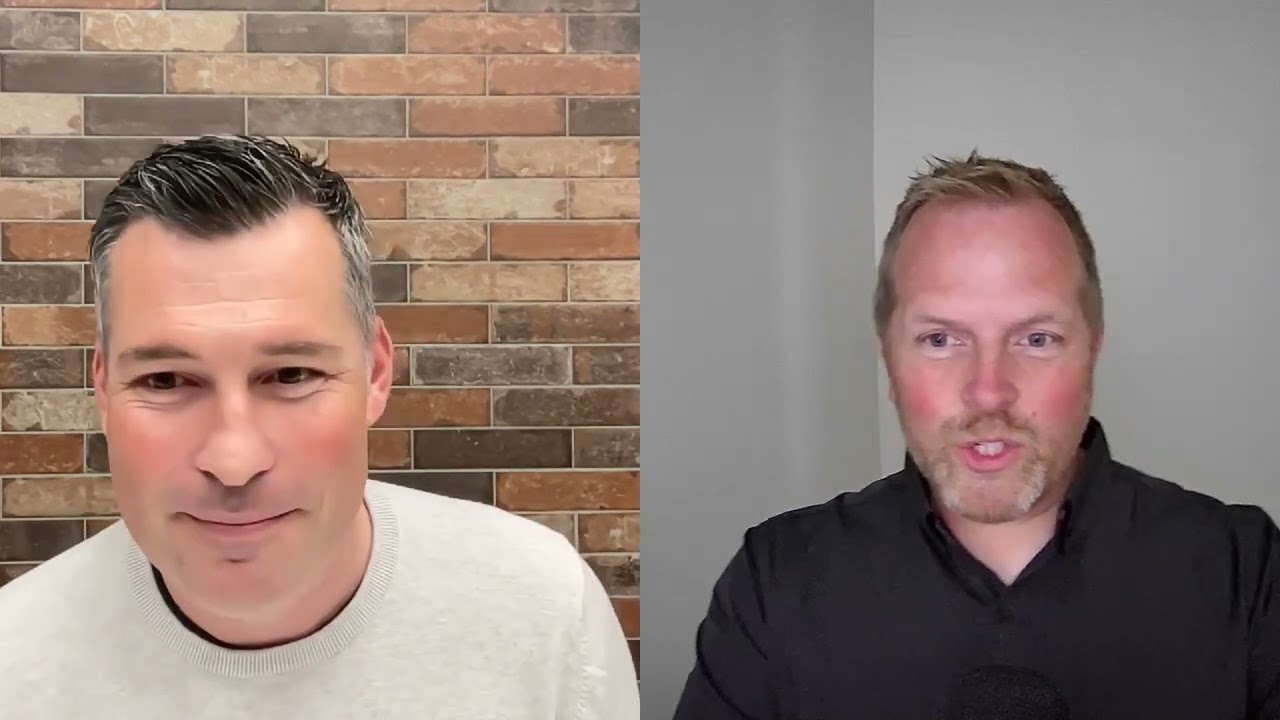
The premise is simple: whatever marketing you start today won't show results for about 90 days, and trying to measure it sooner gives you bad data and worse decisions. Josh and Lyndon walk through why patience is structurally required, campaigns need time to build awareness, generate engagement, move people through a funnel and convert. They draw parallels to other 90-day cycles: quarterly OKR sprints, the 3-month employee probationary period in Canada and South Africa, even the idea of a trimester in biology.
The pragmatic thread: before you launch a campaign, get clear on what metrics you're measuring (impressions, engagement, lead quality, conversions, cost per acquisition), then run it for the full 90 days while iterating tactics but not strategy. Lyndon's warning against changing course at week two is reinforced by Josh's reframe of KPIs as key predictive indicators, the leading signals that tell you whether the needle will move before it actually moves. They get into AB testing on social, why small ad-spend tests beat blowing $5,000 upfront, and the 80/20 idea of doubling down on whatever's actually getting engagement. Josh's observation that business is ultimately relationship-driven, know, like, trust, ties the 90-day rule back to why instant results are unrealistic.
For owners running their first real marketing campaign or anyone tempted to kill an initiative before it's had time to breathe, the episode is a useful counterweight to the dopamine of weekly metric checks.
Chapters
- 00:00:00 Intro and the 90-day rule defined
- 00:02:13 Why this rule applies beyond marketing, life, business, baby
- 00:05:00 Test and measure: which posts, days, formats actually work
- 00:06:11 What metrics to track: awareness, engagement, lead quality
- 00:09:32 KPIs reframed as key predictive indicators
- 00:12:21 Quarterly objectives, OKRs, and rolling out marketing strategy
- 00:16:30 Optimization: AB testing, small ad spend, doubling down on what works
- 00:21:59 Networking, relationships, and the 90-day probationary parallel
- 00:26:36 Key takeaways: define metrics first, then have the patience
Tap any chapter to jump to that moment on YouTube.
Key moments
“What you're doing today is only going to yield results for you in 90 days from now.”
“You need to give that some time to actually you know for the campaign to work.”
“You might be going through some iterations in there but you're not changing the strategy you might be changing some of the tactics inside there.”
“People like typically do business with those that they know like and Trust.”
“As business owners we can be super frustrated if we're not getting results quickly.”
Your hosts

Joshua Leyenhorst
Founder of BasePoint CPA. Chartered Professional Accountant (CPA) and Certified Exit Planning Advisor (CEPA), helping business owners see the full picture of their numbers.
More About BasePoint CPA →
Lyndon Smith
Founder of Expansive EDGE. Two decades in projects and design across six continents, focused on operational leadership and continuous improvement for small and medium-sized businesses.
More About Expansive EDGE →
Full Transcript
Show transcript
Hide transcript
Auto-generated from the YouTube captions for this episode. Click any timestamp to jump to that moment in the video.
00:00 welcome to the business growth factor podcast where we have conversations about building better businesses uh I'm here with Lyndon Smith and I'm Josh lorse and what are we talking about today Lyndon so the topic for the episode today is the um 90 days your um the the 90-day rule in marketing so effectively what you're doing today is is only going to yield results for you in 90 days from now okay awesome so I guess what that will do is kind of help address the
00:33 people who are like hey I'm doing some Facebook ads today I should be seeing some sales tomorrow is that maybe an unrealistic expectation maybe that's a bit of a spoil alert I don't know absolutely yeah um yeah I think it's uh you know that's that's a good good example you know to to to start off with is um you know when you're when you're doing your social media marketing or you've got any digital uh strategy that you're working on uh you need to you need to take a a longer term approach to measuring those results um so that you get accurate uh feedback or you know like results that you're looking at so
01:06 you're not going to say hey I've uh launched a campaign uh on on Facebook and um you know we've we've been running it for a week and it hasn't got any traction or I haven't got any sales I haven't brought on any new clients um you need to be doing that consistently over a 3mon or 90-day period um and then measure the results from that and then you'll see you how effective your campaign's been and I think uh maybe I'm getting a little bit ahead ahead of it here Josh but um you know this is when you start measuring the these results and you collecting the information
01:38 testing and measuring and Gathering the data um you can actually start taking a look at your acquisition costs and lifetime value of your clients and and start bringing that information into um some other parts of your business that we can we can dig into in other episodes as well I like that I like uh I like the data side where you're going there but uh yeah w we maybe start kind of with some of the the first things so why don't we maybe Define the whole idea of the 90day marketing plan like what what are we talking about there when we um yeah talk about the 90-day marketing
02:11 plan what are you referring to there sure so effectively it's the the 90day rule um whatever you're doing today uh you're you're going to get the results in in 3 months in 90 days it's it's it's probably one of the same reasons why we do quarterly planning it's probably the same reason why um you know like we we collect uh data we use that data and prepare our quarterly plan and we measure at the end of the quarter where we're at what's uh you know what's what's been achieved and it's a good good enough time for you know when when you start that 90-day rule with a
02:43 marketing campaign for for your campaign to create awareness and you know typically just work them through that uh that funnel that you have and we've discussed that in a previous episode as well um but moving them through that sort of sales funnel funnel or marketing funnel uh to to actually get a result because the result that you want is obviously uh client acquisition or sales depending on what your campaign is all about but um effectively you're you can't just launch a campaign and expect those results to uh to happen
03:17 immediately right this this concept of this rule doesn't just apply in marketing it it applies in other are areas of your business and I guess your life as well I mean if you think about uh I'm going to start a new gym program or exercise routine um you know you you want to measure the results not after the first week you want to measure the results after the first week but you want to you want to know that it's had uh that you've achieved your goal um after looking at the results after like 90 days or 3 months um you know you you can watch you can watch the uh the the growth or the Improvement uh you know
03:52 over that 3month period but um if you to measure where you are current state or currently today and measure 3 months later you'll see you know um a substantial hopefully a substantial Improvement in whatever it is that you're doing um we see it uh we see it in business planning too right with uh like 90day sprints on those quarterly objectives for sure it's interesting it's almost like uh because in those situations you're taking a larger goal like say a one-year goal and you're breaking it down into 90day or quarterly you know Sprints to get you there but it
04:26 almost seems like uh from the marketing perspective and what we're talking about you need that 90 days it's not just that you're breaking something down into 90 days it's that it actually takes 90 days for some of that growth to happen and to get some of the data to be able to you know make adjustments to that as well it's it's so interesting you say that and one thing that came to mind now is it takes N9 months to have a baby yeah it can it can happen sooner but typically it takes N9 months to have a baby and you we talk about trimesters and I wonder if there's a there there's the link to you know the whole 90-day
04:58 rule in there is as well yeah it takes 90 days to to actually effectively measure a result so if you're consistently um let's say your strategy you've got a new campaign that you're running and the strategy is to post on on social media you know two or three times a week and test out like different uh different um types of posts and like what gets better engagements and um Impressions and things like that you can only measure that really truly effectively over a 3mon period so um
05:32 you've gone through like what's working what's not working your goal is to you know Implement um you know that you want to test and measure different results you know while you're working through that campaign and then you've you've got those those metrics that you can or those results rather uh that you can look at at the end of your campaign you can make good decisions moving forward to say all right this performed really well uh this didn't you know you can actually sit and analyze the results and and make like I say better informed decisions as you're moving moving forward how do we improve now what we're doing and that can that can lean lead into launching your next campaign or
06:06 marketing strategy whatever whatever it is that you're looking at yeah so um so I like that and and uh being a bit of a numbers nerd myself like my question would be like what types of metrics then would uh would be important to look at for somebody who might be say even starting out right if someone's like hey I've got a business but I haven't really done a a coordinating coordinated marketing campaign before let's get this started okay now I know I need to at least give it 90 days to to have it get some traction get some data on it what are some of the metrics that should be
06:39 measured just to um yeah to get that kind of feedback and to know how to tweak and adjust from there that's it's a really great question and and Josh I think it all depends on the Ty type of campaign or like the the the actual um whatever it is that you're implementing right I mean if if it's if you're looking at introducing a new Ops uh um you know um strategy or operational change you know then then that would define then what metrics you would look look at over there so it could be productivity it could be culture it
07:12 could be uh Employee Engagement it could be um you know uh operational like efficiency so you know how they improveed doing this activity that maybe took two hours now it's like only Tak hour and a half um you know so there's there's different uh results that you could be looking for over there from a marketing perspective excuse me it's the same thing right it depends on what marketing campaign you're you're launching or what uh what it is that you're actually running but you could take a look at awareness or like uh Impressions uh some
07:46 of those types of results engagement so you know people that are actually engaging with your content um and then you know that that lead so we we we we spoke about those uh six I think it was six Revenue drivers with previous episodes like lead generation in conversions so how how many leads is this campaign generating and then um you know are we are we pulling in like good quality leads or has this campaign really brought us awful leads right people that we don't necessarily want to service and I've worked through that
08:18 with a few clients before where they um where their where their targeting was maybe a little bit poor or their campaign wasn't uh just wasn't the right campaign for their business and they just thought it attract a whole lot of poor quality leads and you still going to service those leads knowing that you know it's just going to waste your time but if you don't service them you know you're you're potentially going to get a really poor Google review or yeah so you so you got to um you know get those those results from the campaign and then you can you can know that hey this is this is something not going to work going
08:50 forward um but you got to measure that over a 90day period uh typically and you know I think for for businesses that are still newer and starting up um it's just having that patience to get the results so um you know like you're going to start something now don't expect a result to you know to happen within the first or second week uh you need to give that some time to actually you know for the campaign to work so build that awareness um you know have that engagement create those conversations or that that lead generation and then move
09:23 them into you know like a conversion stage uh or cycle through your funnel effects if yeah okay so it kind of uh reminds me you know you're talking about um engagement on say social media and stuff it reminds me a little bit of uh um soone just kind of rephrasing kpis to mean not just key performance indicators but key predictive indicators it's almost like finding those indicators that predict whether or not things are going to happen in your business that you're you're looking for whether that be sales or and so I guess you know and maybe initiating a campaign some kind of
09:56 marketing campaign it would be important to sit down and be like okay what are those would it be uh yeah maybe social media engagement maybe as number of people walking in the door if you have a retail store right uh that type of thing so you should theoretically see some kind of needle moving on those numbers at some point uh based on um the activity and I guess if you're monitoring those metrics fairly regularly you can almost start to uh determine what that leg time might be right so if you're like okay if we post something here and if it's really
10:27 effective theoretically you know based on on our data now because you're using data to make decisions um it takes 3 weeks you know for somebody to walk in the door after they see this or whatever it might be right you can almost start to get a sense of when the not just if the needle will move and by how much but almost when uh it'll move as well yeah and I think just to add to that Josh you know um you you already want to be in a position where you're measuring uh certain results and the implementation of a campaign is just so you're still
11:00 measuring those same results but you can now see by implementing this campaign um you know what impact it has on those results so yeah like you you already want to be measuring and if you're not measuring and you're introducing a campaign well you know get clear in what the metrics are that you want to be looking at and um start measuring that and then when you when you change or you shift gears and you know like introduce another campaign excuse me um you want to you want to check what the results of that campaign is and effectively you want to be looking at those results and say I've
11:34 invested say $2,000 in this marketing campaign and it's brought me $10,000 of business um you know in this period so I know that you know in in in the next uh in the next you know 6 months if I invest another $2,000 in doing what we're doing here it's going to get me $10,000 so I'm effectively paying $2,000 to get $10,000 worth of business right I guess that's where you get to what you're talking about as far as like client acquisition costs there yeah yeah we'll we'll get into those into the weeds of that in another episode for
12:06 sure um but it's it's it's it's yeah you taking that 90 days getting good results um or getting the results whether they good or not um but getting good data rather and then um you how you leverage that data moving forward okay so as far as um like quarterly objectives like what would that look like if somebody was uh going to take 90day marketing window um and then create some like marketing strategy for that over a quarter like what what that what might that look like somebody who might be
12:38 starting out or uh wants to hone in on on how they're doing their marketing strategy well I think uh you know going back to the conversation on okrs that we had before big rocks whatever framework you using for your codly planning you you're going to create some objectives you're going to you're going to you're going to Define what what the key results are and you're going to roll that out into into your organization so um if the objective is to to increase sales or Revenue by um you know 15% in the next quarter 20% whatever those
13:12 numbers turn out to be um that's going to have an impact on you know like the the different departments and you got to get everybody aligned but the the campaign that you're looking at would be you know all right well we need a in order for us to drive more Revenue we might have to you know we we we know know we've done this in the past and we've worked on this now we're going to implement this game uh implement this again and then um you know we can we can get those results I don't know if I'm answering your question necessarily here but you know we there is a link between you know the 90 days and a lot of other
13:46 things that happen you know those those quarters like mentioned earlier it takes nine months to get pre pregnant there's like three trimesters in that uh in that um in that process of making a baby or having a baby producing a maybe I think the making it may happen fairly quick but we won't get into that so so what I'm kind of hearing then is um uh because when we look at like quarterly strategic planning so quite often we'll have specific metrics whether it's around like profitability cash flow whatever it might be uh we'll have like the actuals and then we'll
14:20 have like a client's Target you know this is what I want it to be and then we we'll even look at say industry benchmarks um so in each quarter you can kind of look at it and review it and be like okay this is actually where we landed this is what we're hoping to to be at this is what industry is kind of showing you know other companies are are achieving so maybe having some kind of uh dashboard like that or something some kind of scorecard uh where at least on a c i mean I would even say you know a monthly basis so you can at least be a bit more agile in your decision- making
14:52 with the the marketing if you can see that is trending a certain way um you can start to make some of the steps to to move it fit in the direction you want it to go so that once you get to the end of the quarter and the 90-day period you can um see some some uh some results there right yeah and I think you know just like to comment on that where where you're saying having that agility to you know within a month you know you can say well this is you know this is not really going the way that it needs to um my assumption would be that you've actually already tested and measured these
15:25 results before you're just implementing this campaign Maybe at a different time of the year or maybe in a different way um but you've kind of got that 90-day results from previous campaign launches or like previous results that you um you know that you data that you have um which allows you to be a lot more agile but if it's the first time that you're actually launching the campaign um you you want to give it a 90-day cycle to be able to get that data that accurate data to um you know to inform your decision making and you know to to allow you to
15:59 be agile in the future so you know maybe in the next uh you know the next quarter um you're you're still still going to be running with that campaign but you've got data that you worked on and you can start looking back so you don't have to wait till the end of that quarter because you've been running you know with three months of of data you know um on a rolling cycle now and uh and you can make decisions based on that does that make sense yes yeah that doesn't make sense okay so as far as like optimizing campaigns and stuff stuff like what what would you suggest there then like what
16:31 kind of process should somebody go through as they're looking at their campaign performance their marketing campaign performance um you know over say like the last 90 days um what would that look like that's it's a really good question I think um if it's a first and I go back to this uh back to uh what I've just said there if if it's the first time you're running the campaign you just be patient you know like um do some AB testing and you know run run a couple of you know different um sort of messaging and like things like that but get the data wait for that data wait 90
17:06 days to see how that campaign has actually performed um you know to answer your question about making the changes uh I think you can make some changes in the way that uh you're implementing or the tactics um but you're still running the the the the the full campaign so going back to the earlier example that I I had um with social media and I'm I'm by no means a social media expert I'm just a full disclaimer here if you want to run that that campaign for 3 months where you're posting you know testing out you're testing out on which days
17:39 you're posting you're testing out like um what kind of posts are getting better engagement um you know do you get better engagement for LinkedIn carousels or um you know like video contents reals um images uh you know so testing what gets good engagement um what people are looking where that engagement is higher um and and how it then translates into a potential sale or you know and and I guess that also goes back to you know like what is the strategy behind
18:11 implementing those uh those social media campaigns is it you know creating the awareness and you're moving them into another funnel um you know you're not necessarily funneling them in uh through your like Facebook Messenger or LinkedIn messages but you're kind of moving them through another you know into another funnel and uh I think just being clear on that from the onset is really important going back to your question is um you in that 3 month cycle you can be testing and and and um getting results for for different things that you you're trying out there so like different types
18:43 of posts when you're posting you know the frequency of the posts um the type of content that you're putting out there you like all these types of things so so what I'm hearing then and maybe um maybe it doesn't totally apply but if you think of uh like the 8020 rule right so maybe like you know as you talked about like testing different things like AB testing and different types of posts or people looking more at reals or engaging more with certain types of content uh if you start to identify I guess maybe where like 80% of the engagement is happening maybe that's the
19:17 area then where you start to focus more and so when it comes to optimizing your marketing campaigns uh and tweaking them moving forward it would be you know let's look at where we're getting the most engagement stop spending time and resources on the types of Engagement or types of content that we have been uh doing and I guess how we're talking right now probably makes it sound primarily like social media marketing but like in in marketing in general right whatever type of content it might be so you're basically looking at what what's driving the most kind of
19:49 Engagement and then um essentially focusing on that and then starting to chip away at the other stuff and and not really spend time and resources on that I'm glad you brought that up because it it kind of uh it speaks to another component as well so specifically around uh social media you don't want to go out there and invest $5,000 on you know ad spend and and things like that you you want to start off small you maybe like 10000 bucks or 200 bucks and and and uh test out like the results over that 90day period on different campaigns or
20:23 not campaigns but different um excuse me um like different types of posts and different types of things that you're working on and then you've got data that you can use and now you know I've I've run this campaign for 3 months I I know what the results are sorry I just want to close a few things that are popping up in my screen here and distracting me uh I know what the results are so I know that uh you know it would be worthwhile you know instead of putting 100 bucks or 200 bucks into um boosting or paying U paying for ads and I can maybe bump that up to like 500
20:56 bucks and see what the results are for the next three month months and then start ramping that up and and maybe even looking at like a th000 or $2,000 a month on on ad spend but now you're putting it in the right areas so you're getting those results now we're using social media as an example but it could be any marketing campaign right it could be um maybe you're you're you're testing out being part of an association or um I can't even think of any uh any good examples here but it's uh you're you don't go to a networking an event and
21:29 expect results from that immediately right you don't go join an association and expect the results from that immediately you go there you build those relationships you you develop you know your business relationships with those people and you can start seeing at the end of the 90 days how those relationships have started to turn in into potential business right so you can see that the investment of your time and you know the resources and everything that you you require for you know that to happen that c campaign to happen um is it worthwhile is it you know do we do
22:03 we put more in there do we expand that do we grow that um and then you because you've got the results you've actually measured measured it over a 90day period if you're just going to do it for a couple of weeks and think like oh I'm not getting the results out of this um you know it's it's pretty poor strategy it's interesting you mentioned relationship lynon because like I mean ultimately when we're talking about building better businesses right I mean really for the most part relationship is like one of the key foundations of having a good business and whether that's relationships internally with
22:36 your team or with externals right so you know clients other stakeholders uh super important and so yeah if you think about it you know even the process of developing a relationship doesn't take two days or a couple of weeks right usually it does take months or and longer in years and um you know if we think that people like typically do business with those that they know like and Trust right I mean no like and Trust that's really relationship development and that does take time and and depending of course on the type of
23:08 business you have right if you're selling uh like little plastic widgets that break tomorrow people aren't necessarily looking for a strong relationship to buy those things from right but often times you know larger service type businesses or whatever might be uh you know contractors whatever might be like people want to know who you are they want to like you they want to trust you which means they want to have some kind of pre-existing relationship with you which means it's not taking 2 days or two weeks right this is going to take some time to develop so um it's interesting that you bring that up and it makes me think of
23:42 like the the 90 or it's a 3mon probation period when you join a new company right in South Africa um you know it's it's it's pretty difficult to to um to fire I wouldn't say difficult but there's a a pretty intense process that you got to go through through to you know to remove someone from your business um and there needs to be pretty serious justification in place for that but uh you know if they're in a probationary period interestingly enough that's typically a 90-day or 3mon probation right the same here in Canada yeah yeah
24:16 it's interesting you mentioned that because uh one of the services we actually provide for our clients is just uh you know it's just kind of free of charge for existing clients is just a reminder when they hire new client or new employees rather uh they'll get a notification from US basically 2 to 3 weeks out from that probationary period end date that 3mon end date just so they know what coming up because a lot of times yeah so it's very similar to answer your question but a lot of times what ends up happening is a business will hire somebody and uh you know time goes by and then all a like oh
24:48 wow that 90day period is like over a month ago right and so we'll send out a notification just be like hey this coming up in three weeks here's a list of things you should probably review to make sure this is a good fit before you know maybe having to make a difficult decision after the fact right um a bit of a degression I guess from or a bit of a a rabbit trail from what you're talking about but important nonetheless because it does come down to relationship at the end of the day and how people assess the quality of the relationship of those who they're entering into business with whether it's uh you know um like a a client customer
25:23 type transaction or employee employer transaction whatever it might be I think there's definitely some correlation between that 90day rule um you know um in terms of like bringing someone on board uh as well as you know marketing because it's you you're you're taking 90 days to bring someone into your business or for them to come into uh for you to go into their business so it's it's it's uh that relationship that you're establishing it's uh you know building the Rapport the trust the you and and then getting them to a point where they're comfortable to make a decision
25:55 to to say okay hey let's uh let's rock and roll here let's yeah so uh you know what do they say do it take 90 days to to form a habit and like 30 to break it or something like that so you know maybe that first 90 days too like with any kind of marketing initiative you might be doing you're also like Paving the habitual paving stones like setting those paving stones in place as well during that 90-day period to make sure you're you know uh doing what it is that's part of your marketing campaign that you're tracking the things you should be tracking that
26:27 you're aware of what you should be looking for uh to to watch performance there so umot a lot of benefits to the 90day there it looks like we're coming up on this 30 minutes here lynon just curious if there's anything else you wanted to um mention before we wrap up here well I think yeah just a couple of like key takeaways from my side and um sorry I've got the a bunch of things popping up on my screen again here I'll popular guy on Friday morning do not disturb next time um a few key sort of takeaways here and I think I think you know what's
27:00 super important is to understand like what metrics you're going to be measuring over that 90 days before you start running your campaign so it doesn't matter if it's a you know you're you're making some operational changes like what is it that you're testing and measuring what results are you looking for um you know if you're running a new marketing campaign same thing what are you what are you currently testing and measuring what do you need to test and measure what like results are you what metrics are you looking at um and then make sure that you're actually you getting the the information the data and the feedback um throughout that 90day period same with uh you know hiring a
27:34 new employee like what data are you looking for what qualities are you looking for to make sure that they're in a good fit you know that 90-day period when you bringing someone into your business what is it that you're looking for making sure that they look part of your culture um 90 days is 90 days is a good enough time to uh for someone to you know go go of tracks a little bit and honeymon phase ends right yeah I think you know this few key takeaways for me is really just understanding those metrics uh before launching your campaign or starting with that 90-day rule um but then also just being patient
28:08 and and letting that 90day cycle run up and then making sure that you're you're you're maybe going through some iterations in there but you're not changing the the strategy you might be changing some of the tactics inside there you're not changing the strategy behind um the exercise that you're going through I like it yeah I I think a key takeaway of my my part is just uh having the patience for that 90 days I'm a I'm a numbers guy I'm a results guy I like to think I like to see the needle move when I do things and uh sometimes if it doesn't you know I could you know I
28:41 think the tendency might be to to think this is not working but to be patient and be like okay some of these things do take time uh to develop and uh and to grow and then to like you say give the data to them make decisions on how to tweak it from there be like okay it maybe it's not working the way I wanted to uh but it is working a little bit and it's working a little bit because of this little section here so let's focus on that little section and carve everything else off uh and then that's you where you allocate your marketing spend after that or something so absolutely and I think as as business
29:12 owners we we can be super frustrated if we're not getting results quickly you know like we're ebbing and flowing and you know like bobbing and weaving and we're sort of just rolling with a punches some days and um you kind of want things to happen in track really quickly but you know this is this is really where you're collecting data and this is how your business Grows Where you have that data to make informed decisions moving forward um you know like I know I think every business owner is like we got to get it done we got to get it done now we results now you just have that patience to to to run the
29:45 cycle through make sure that you're clear on what you're tracking um make sure that you are actually tracking it and um you know get the data and the results and then use that to make informed decisions moving forward use take that those results into your quarterly planning sessions with the rest of your leadership team and um you know you can use that to drive your business forward that's that's a good I that's a good segue into another topic to have is just the importance of quarterly planning sessions I mean um yeah 90-day planning uh strategies 90-day meetings like like revisiting
30:18 your your goals and your performance every 90 days super critical and that's maybe something we can talk about another time because uh super important I like it absolutely Josh thanks so much and and thanks to the listeners again for sure yeah if uh if you find these conversations interesting uh be sure to like And subscribe uh to the podcast here and uh stick around and we will have more to come yeah see you guys again take care all right thanks Lon bye out


Never miss an episode
Get helpful business tips and a heads up when we release something new.