
Reverse Engineer Your Business
Start from the life you want. Work backwards to the business that actually delivers it.
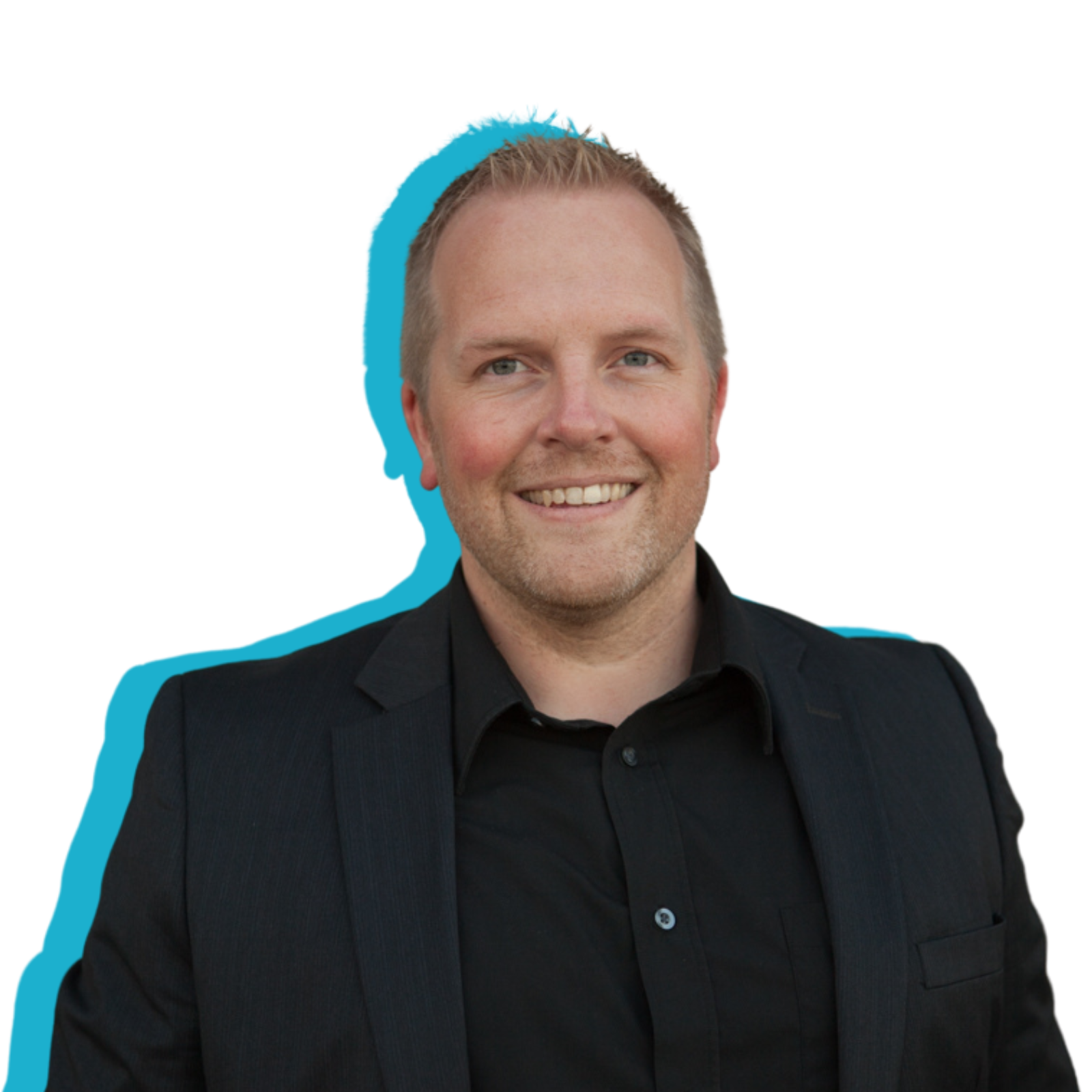
Hosted by
Joshua Leyenhorst, CPA, CEPA
Founder, BasePoint CPA
Key takeaways
- Start from the life you want, not the business you're building. The default order traps owners in businesses that never quite fund the life.
- Fund all Five Personal Buckets: lifestyle, growth, retirement, opportunity, security. Most owners fund lifestyle abundantly and the others poorly.
- Back-solve: personal budget → owner pay → required net profit → required revenue → operational structure.
- Most SMB cash flow problems are personal cash flow problems wearing a business costume.
- Redo the exercise annually. Needs change, life stages change, and the right structure changes with them.
Almost every SMB we work with started the same way. The owner had a skill, or a contact, or a moment of frustration with a previous employer, and they built the business in the direction the work pulled them. A few years in, they look up and realize they're running a machine that's no longer pointed at the life they meant to build.
Most owners build a business that consumes them. Then they wonder why they can't get out of it.
This session, the one that kicked off our Community Connect series, was about flipping the question. Instead of “how do I grow the business?”, start with "what would the business need to do in three years for me to be living the life I actually want?" Then work back.
Five buckets to define first
Before any business strategy, write down what you want from each of these five buckets in three years:
- Lifestyle, how you spend your weeks. Hours worked, time off, where you live, kids' schedules, hobbies that have a price tag.
- Growth, your personal and professional development. The kind of work you want to be doing, the people you want to be working with.
- Retirement, the long-term financial picture. What does your nest egg need to look like, and when?
- Opportunity, what optionality you want. Travel, a second business, a sabbatical, the room to take a chance.
- Security, what would make you sleep well. Reserves, insurance, the ability to absorb a bad year.
Write specifics. Numbers, places, frequencies. “Less stress” is not a goal. "Two trips a year + Friday afternoons off + $X in our personal savings by Dec 2028" is.
Translate goals to a personal P&L
Most of those five buckets have a dollar figure attached. Add them up. You're building a “personal P&L for three years from now”, what your household needs to spend, save, and invest annually to live the life you described.
Two numbers fall out:
- Annual personal income required. What the business needs to pay you each year.
- Capital required. What you want sitting in personal accounts at year three (retirement, reserves, opportunity capital).
These two numbers, together, become the spec the business has to be built to meet.
Back-solve the business model
Now flip into the business. Working backwards:
- Required net profit = personal income (pre-tax grossed up) + corporate tax + reinvestment + reserves
- Required revenue = required net profit ÷ net profit margin
- Required volume = required revenue ÷ average revenue per customer (or per project, per unit)
- Required capacity = the team, equipment, systems, and structure needed to deliver that volume well
The business that pays you the life you want at year three almost never looks like the one you're running today.
It usually has different pricing, different team structure, different customer mix, different role for the owner. Reverse-engineering exposes that gap in a way that normal “growth planning” never does.
The freedom math
There's a related calculation that owners find especially clarifying. Ask: what revenue level lets me walk away from the daily grind?
Specifically:
- What revenue level can support hiring the right operational lead (GM, COO, Ops Manager) who lets you reduce your hours by half?
- What revenue level can support a fully owner-independent operation, where the business runs without you in any role?
- What revenue level supports an outright exit, a sale that funds your post-business life?
For most SMBs, those three numbers are closer than owners think. The bottleneck is rarely the revenue, it's the operating discipline that lets the business actually run without you. Which is the work behind every other episode of the podcast and most of what gets discussed inside the community.
Why this exercise stings (in a useful way)
Owners who do this honestly usually walk out of the exercise with one of three reactions:
- Closer than I thought. The math says I'm already nearly there, I just haven't built the structure to capture it.
- Bigger gap than I admitted. What I want and what this business can produce are in different leagues. I need pricing, model, or scope changes, not just “more hustle.”
- The life isn't what I thought. Working through the buckets honestly, my real priorities aren't what I've been optimizing for. The business has been chasing the wrong target.
Any of the three is a better starting point than what you had Monday morning.
What to do this week
Carve out 90 minutes. Just you (or you and your partner):
- 1Write down what you want in 3 years across the five buckets, lifestyle, growth, retirement, opportunity, security. Specific numbers and frequencies.
- 2Build your year-3 personal P&L. Annual personal income required + target capital position.
- 3Back-solve to required revenue at your real margin. Compare to today.
- 4Name the structural change(s) needed to close the gap. Pricing? Mix? Capacity? Your own role?
- 5Pick the first move you'll make in the next 30 days toward closing it.
Your business is supposed to be the engine for the life you want, not the thing that swallows it. Designing it from the outside in is the work most owners never get around to. It's also the work that makes everything else easier.
Want the full session?
The recording, worksheet, and the live Q&A are in the community.
Members of The Business Growth Factor get every Community Connect session on demand, plus the resources, templates, and slide decks we work through together, and access to peers asking the same questions you are.
Join the Community